The house is quiet, you're half-watching a show, and suddenly you're standing in front of the open fridge — not because you're hungry, but because... well, it's just what you do at 10:30 p.m. The chips, the ice cream, the "just one more" handful of crackers. You eat, you feel briefly satisfied, then vaguely annoyed with yourself. Tomorrow, you promise, will be different.
Late-night snacking is one of the most common eating habits people want to change — and one of the most misunderstood. It's rarely about hunger and almost never solved by willpower alone. More often it's a mix of daytime under-eating, evening habits, emotions, and simple proximity to the kitchen. This guide explains why it happens and offers 10 practical, evidence-informed strategies to change the pattern without strict dieting.
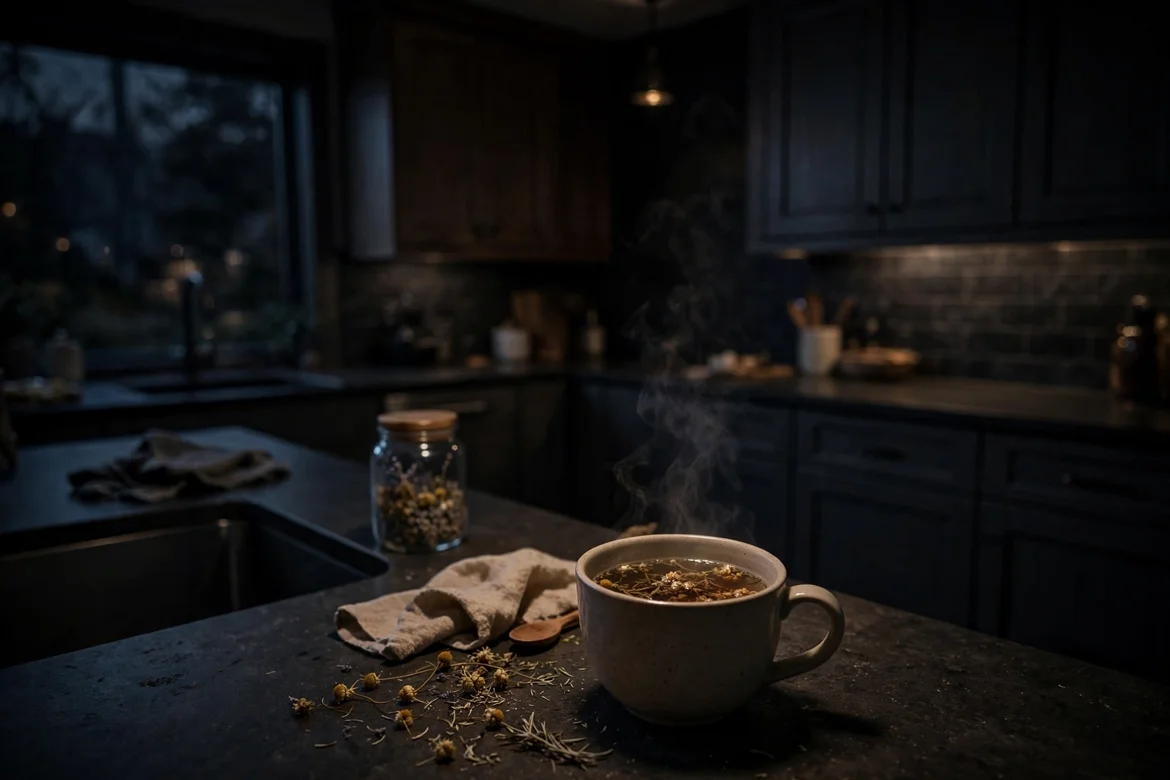
A warm cup of caffeine-free herbal tea can signal the end of the eating day.
Key Takeaways
- Late-night snacking is usually driven by daytime under-eating, habit, boredom, stress, or poor sleep — not genuine hunger or lack of willpower.
- Eating enough during the day — especially protein and fiber at dinner — may reduce evening cravings more than any nighttime trick.
- Environment design (kitchen "closed" rituals, trigger foods out of sight) tends to work better than relying on self-control at your lowest-willpower hour.
- If you do snack, a small, planned, protein-rich option is far better than grazing straight from the bag.
- Frequent loss of control around nighttime eating, or eating large amounts in secret, deserves a compassionate conversation with a professional.
Why Do We Snack at Night?
Understanding the drivers is half the battle. Most nighttime eating comes from a combination of these:
Daytime under-eating. This is the big one. Skipping breakfast, eating a tiny lunch, then a modest dinner leaves your body legitimately under-fueled by evening — and it collects the debt at night. Research on meal timing consistently links restricted daytime eating with stronger evening appetite. If you're ravenous at 10 p.m., the problem may have started at 8 a.m.
Habit and cues. Couch + TV + snacks is a learned loop: the brain pairs the setting with eating until the setting alone triggers the urge. After enough repetitions, you reach for food on autopilot the moment the show starts — hunger is irrelevant.
Emotions and stress. Evenings are when the day's stress catches up, and food is a fast, reliable soother. Boredom works the same way: with nothing engaging happening, eating fills the gap. Neither is a character flaw — they're learned coping responses.
Poor sleep and late nights. The later you stay up, the longer the window for snacking — and short sleep itself is linked to stronger cravings the next day, especially for high-calorie foods. Late nights and nighttime snacking feed each other in a loop.
Proximity. Simply put: you eat what's easy. A kitchen full of visible, ready-to-eat snacks at your lowest-energy hour is a setup almost nobody resists consistently.
10 Practical Strategies to Stop Late-Night Snacking
1. Eat Enough During the Day
The single most effective change: stop arriving at evening under-fueled. Eat a real breakfast, a satisfying lunch, and a dinner with protein (fish, chicken, eggs, legumes, tofu), fiber (vegetables, whole grains), and some healthy fat. Many people find their nighttime cravings drop dramatically within a week of eating adequately during the day.
2. Make Dinner Satisfying — and Slightly Later if Needed
A light salad at 6 p.m. followed by a 11 p.m. bedtime is a five-hour gap your stomach will protest. If you eat dinner early, consider shifting it a bit later, adding protein and fiber, or planning a small, intentional evening snack (see #8) so you're not white-knuckling hunger for hours.
3. Declare the Kitchen Closed
Create a clear end-of-eating ritual: brush your teeth, make a cup of caffeine-free herbal tea, wipe down the counters, turn off the kitchen light. These small actions send a psychological "we're done" signal. The minty toothpaste trick is surprisingly effective — sweet snacks taste odd right after brushing, which breaks the autopilot.
4. Break the Couch-TV-Snack Loop
If snacking is tied to a specific setting, change the setting. Keep your hands busy during shows (tea, a puzzle, knitting, stretching), move to a different chair, or chew gum. You don't have to give up evening TV — just unpair it from eating by changing one element of the routine for a couple of weeks.
5. De-Cue Your Kitchen
Make nighttime grazing harder and healthier choices easier: store trigger snacks out of sight (top shelf, opaque containers) or simply don't keep the worst offenders at home. Keep fruit visible instead. This isn't about banning foods forever — it's about not testing your willpower at its daily low point.
6. Address the Real Emotion
Before opening the fridge, pause and ask: "Am I hungry, or am I stressed / bored / lonely / tired?" If it's not hunger, match the real need: a 10-minute walk or stretching for stress, calling a friend or a hobby for boredom, an earlier bedtime for tiredness. Food can't fix those — it just postpones noticing them.
7. Keep a Consistent Sleep Schedule
Every extra late hour is extra snacking opportunity, and short sleep amplifies next-day cravings. A regular bedtime shortens the danger window and improves the hormonal backdrop of appetite. If you consistently snack at midnight, an 11 p.m. bedtime may do more than any snack rule.
8. Plan a Smart Evening Snack
Total bans often backfire. Instead, plan one small, satisfying snack if you genuinely want something: Greek yogurt with berries, an apple with peanut butter, a small handful of nuts, or warm milk. Portion it into a bowl — never eat from the bag — eat it mindfully, and then close the kitchen. Planned beats impulsive every time.
9. Stay Hydrated in the Evening
Thirst can masquerade as hunger, especially in the evening. A glass of water or a cup of herbal tea when the urge hits — plus a 15-minute pause — is often enough to reveal whether you were actually hungry. Warm drinks are particularly satisfying as a nighttime ritual.
10. Track the Pattern, Not Just the Food
For one week, jot down when nighttime snacking happens and what preceded it: skipped lunch? stressful day? late bedtime? boring show? Patterns emerge fast, and they're actionable — the fix for "I snack when I skip lunch" is lunch, not willpower. Awareness turns a mysterious habit into a solvable problem.
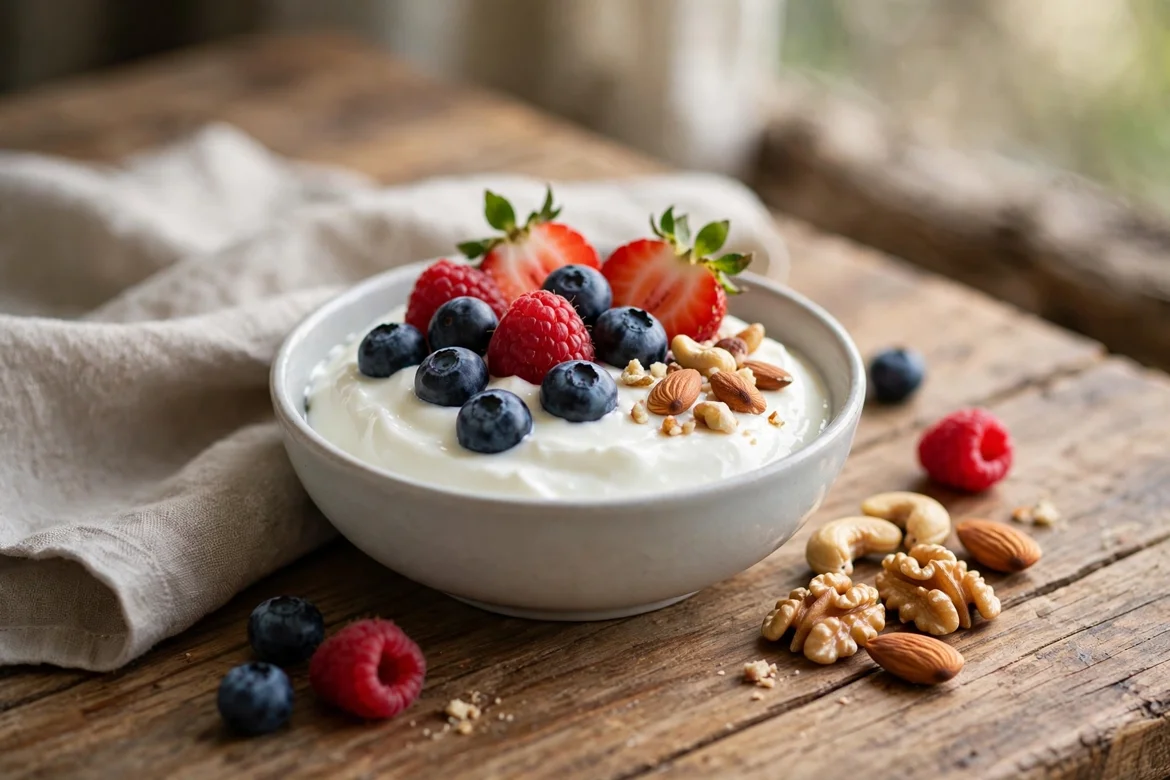
If you truly need a snack, a small protein-rich option beats a bag of chips.
What If You're Genuinely Hungry at Night?
Sometimes nighttime hunger is real — you had an early dinner, you exercised in the evening, or your schedule runs late. That's fine; the goal isn't to suffer, it's to stop the mindless pattern. When hunger is genuine:
- Choose protein and fiber: yogurt, a boiled egg, oatmeal, or fruit with nut butter will satisfy far longer than chips or sweets.
- Keep it small: a 150–250 calorie portion is usually enough to take the edge off without disrupting sleep.
- Avoid heavy, greasy, or very sugary foods close to bed — they may disturb sleep quality for some people.
- Eat at the table, not the couch: plating your snack and sitting down keeps it intentional instead of turning into a second dinner.
If genuine hunger strikes most nights despite adequate daytime eating, consider whether dinner needs to be bigger or later — or mention it to your doctor, since persistent nighttime hunger can occasionally relate to blood-sugar or medication issues.
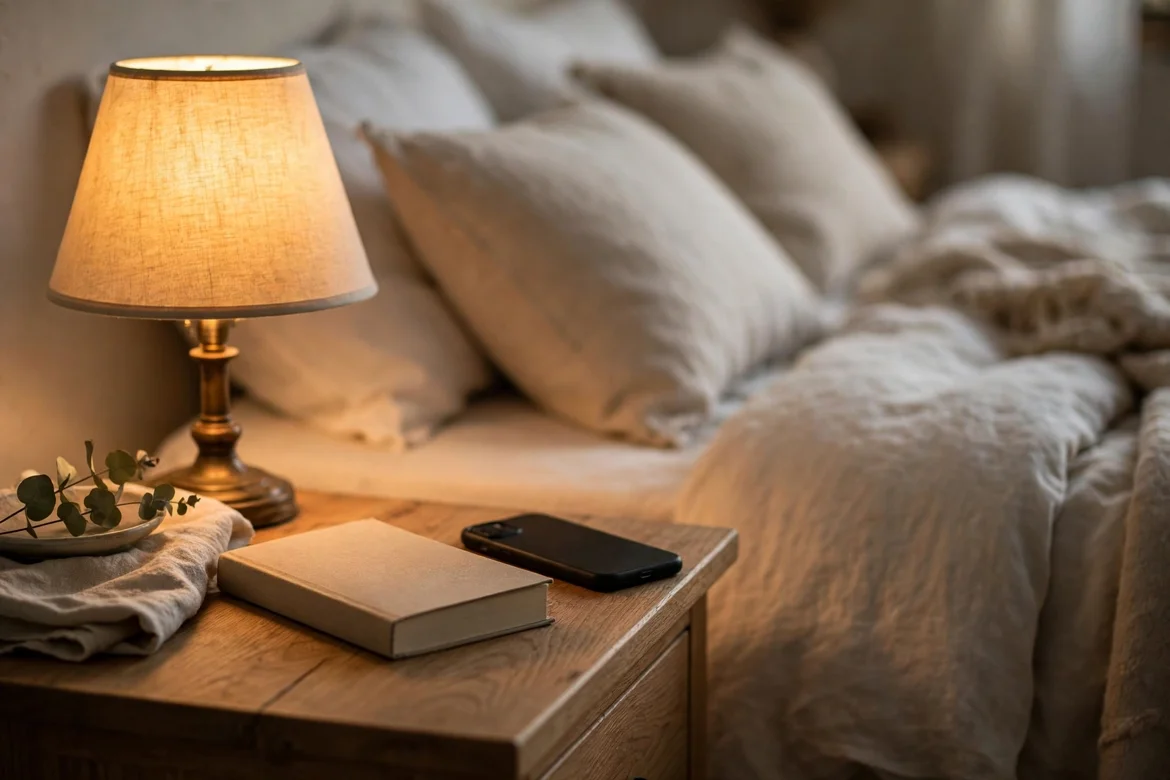
A screen-free wind-down routine makes nighttime kitchen trips less tempting.
Late-Night Snacking Myths vs Facts
- Myth: Eating after 8 p.m. automatically turns to fat.
Fact: Your body doesn't have a clock that converts evening calories to fat more efficiently. What matters more is total daily intake, food choices, and sleep. Late-night snacking is linked to weight gain mainly because the snacks tend to be extra, calorie-dense, and mindless — not because of the hour itself.
- Myth: You just need more willpower at night.
Fact: Willpower is genuinely lower in the evening — decision fatigue is real. That's why environment design (kitchen closed, triggers out of sight, planned snacks) beats self-control as a strategy. Work with your biology, not against it.
- Myth: You must never eat after dinner.
Fact: A small, planned, nutritious snack is perfectly fine and often smarter than going to bed hungry. The enemy is the unplanned, oversized, stress-driven graze — not the clock.
- Myth: Nighttime hunger means your diet is failing.
Fact: It usually means your daytime eating is insufficient. Chronically under-eating by day and overeating by night is one of the most common patterns dietitians see — and fixing the day fixes the night.
- Myth: Brushing your teeth is just a silly trick.
Fact: It's a legitimate behavioral cue: it marks a clear end to eating, and the mint flavor genuinely makes sweet and savory snacks less appealing. Small rituals like this work because habits run on cues.
When to See a Doctor
Occasional nighttime snacking is normal and not a medical issue. Consider professional support if:
- You regularly feel unable to stop eating at night, or eat large amounts while feeling out of control.
- You wake up to eat, or eat in secret with shame or distress about the pattern.
- Nighttime eating is affecting your sleep, weight, blood sugar, or mental health in worrying ways.
- You suspect night eating syndrome or binge eating — both are recognized, treatable conditions, and early support leads to better outcomes.
There is no shame in getting help with eating patterns. Dietitians, therapists, and physicians who specialize in eating behavior offer practical, judgment-free strategies.
Sponsored: check today's offers on recommended wellness products
Frequently Asked Questions
Why do I always get hungry at night even after dinner?
The most common reason is under-eating during the day — your body collects the calorie debt in the evening. Habit, boredom, stress, and late bedtimes also drive nighttime urges that feel like hunger but aren't. Eating adequately at breakfast, lunch, and dinner usually quiets the pattern within a week or two.
Is it bad to eat before bed?
Not inherently. A small, planned snack is fine; what causes problems is regular large, mindless, sugary or greasy eating close to bedtime, which may disturb sleep for some people. If you're genuinely hungry, a light protein-rich snack beats going to bed miserable.
How do I stop snacking while watching TV?
Break the cue loop: change one element of the routine — keep hands busy with tea or a craft, sit in a different spot, chew gum, or brush your teeth before the show. After a couple of weeks of the new pattern, the old autopilot weakens noticeably.
Does brushing your teeth really stop snacking?
It helps more than you'd expect. It creates a clear psychological "kitchen closed" signal, and mint toothpaste makes most snacks taste unpleasant for a while. It works best combined with adequate daytime eating — it's a cue, not a cure for real hunger.
What is the best late-night snack if I can't resist?
Something small with protein or fiber: Greek yogurt with berries, an apple with peanut butter, a handful of nuts, or a small bowl of oatmeal. Portion it into a bowl, eat it at the table, and then close the kitchen — planned and portioned beats grazing from the bag.
Disclaimer: This article is for general information only and is not medical advice. Occasional nighttime snacking is normal, but frequent loss of control around food, secret eating, or eating patterns that affect your health deserve professional support. If you have diabetes, an eating disorder, or take medications affecting appetite, please consult a qualified healthcare professional or registered dietitian.
Which strategy will you try tonight — the kitchen-closed ritual, a bigger protein-rich dinner, or the planned snack bowl? Tell us in the comments.


Comments
Post a Comment