How to Eat for Stable Energy All Day: Blood-Sugar-Friendly Meals
- Get link
- X
- Other Apps
You know the pattern: a sweet breakfast or a big carb-heavy lunch, a burst of energy, then the 3 p.m. slump — heavy eyelids, foggy brain, and a desperate reach for coffee or something sugary, which starts the whole cycle over again. That rollercoaster isn't a character flaw or a lack of willpower. It's largely your blood sugar rising and falling in response to what — and how — you eat.
The good news is that steadier energy doesn't require a strict diet, expensive superfoods, or giving up foods you love. Small, practical changes to meal composition, order, and timing can smooth out the spikes and crashes significantly. This guide explains how blood sugar connects to your daily energy, then walks through blood-sugar-friendly strategies for breakfast, lunch, dinner, snacks, and drinks — plus the myths worth ignoring.
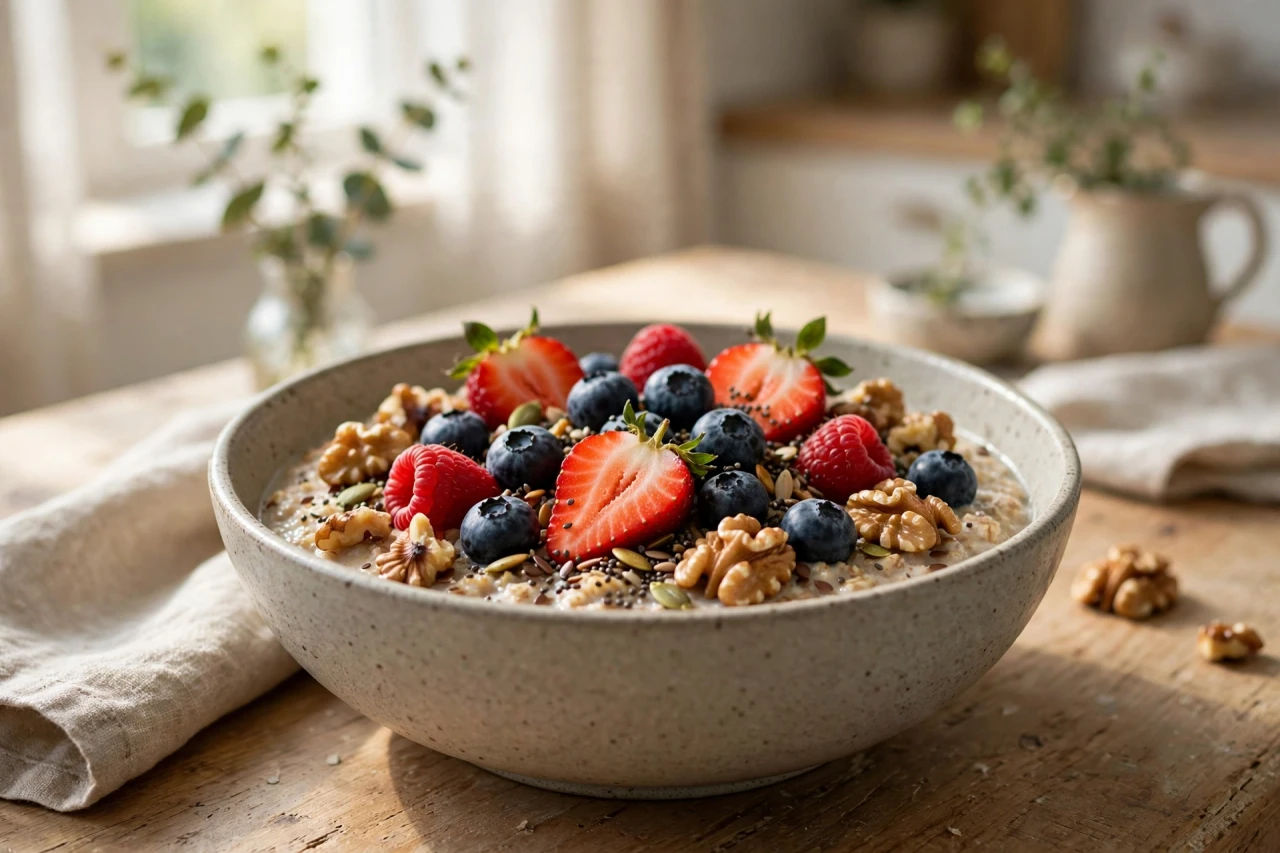
A breakfast built on fiber, protein, and healthy fats releases energy more steadily than a sugary one.
- Blood sugar naturally rises after eating; large rapid spikes — especially from sugary or highly refined foods — are often followed by crashes that feel like fatigue, hunger, and brain fog.
- Meals built on fiber, protein, and healthy fats slow digestion and release energy more gradually than meals centered on refined carbs or sugar.
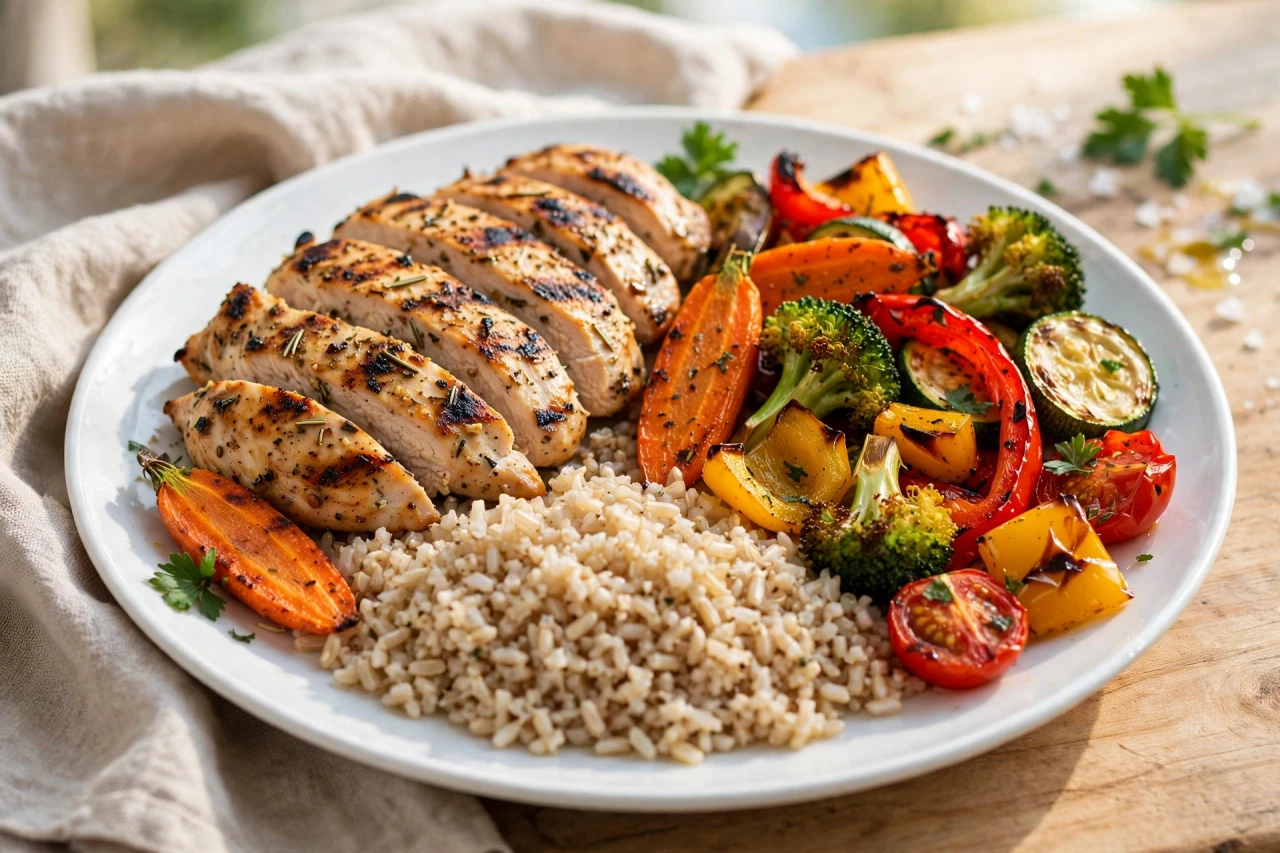
- The plate method (half vegetables, a quarter protein, a quarter whole grains or starchy vegetables) is a simple template for steadier-energy meals.
- Small habits help: eat vegetables or protein before starches, don't skip meals, choose whole fruit over juice, and take a short walk after eating.
- These strategies support everyday energy for everyone — but they are not a treatment for diabetes or prediabetes, which need professional medical management.
1. How Blood Sugar and Energy Are Connected
When you eat carbohydrates, your body breaks them down into glucose, which enters the bloodstream — that's "blood sugar." Rising blood sugar signals the pancreas to release insulin, which helps move glucose into cells for energy. This is a normal, healthy process that happens after every meal.
The trouble starts with speed. Sugary drinks, white bread, pastries, and other refined carbohydrates digest very quickly, sending blood sugar up fast — and the body often responds with a strong insulin release that can bring it back down just as fast, sometimes dipping below baseline. That dip is what many people experience as the "crash": tiredness, irritability, difficulty concentrating, and renewed hunger or cravings, often within an hour or two of eating. Meals that digest more slowly — those with fiber, protein, and fat — produce a gentler rise and a steadier supply of energy instead.
2. Start the Day Right: Breakfasts That Last
Breakfast sets the tone for the whole day's energy curve, and it's where many people unknowingly board the rollercoaster: sweetened cereal, pastries, white toast with jam, or juice-heavy "healthy" smoothies all digest fast and spike early. Research on breakfast composition consistently suggests that protein- and fiber-rich breakfasts are linked with better satiety and steadier morning energy than high-sugar ones.
Blood-sugar-friendly breakfast ideas:
- Oatmeal with substance. Plain oats topped with berries, walnuts or almonds, and a spoonful of Greek yogurt or nut butter — fiber plus protein plus fat.
- Eggs, any style. Scrambled, boiled, or an omelet with vegetables and a slice of whole-grain toast.
- Greek yogurt bowl. Plain Greek yogurt with fruit, seeds, and a drizzle of honey if you like it sweeter.
- Whole-grain toast, upgraded. Avocado and egg, or peanut butter with banana slices — not jam alone.
- Leftovers count. Last night's chicken and vegetables reheated is a perfectly good breakfast.
The pattern: anchor every breakfast with protein, add fiber, and keep added sugars modest. Coffee is fine for most people — just watch the sugary syrups and creamers that quietly turn it into dessert.
3. Build Every Plate the Blood-Sugar-Friendly Way
You don't need to count grams or follow a named diet. The plate method — recommended in various forms by diabetes and nutrition organizations — is a visual template that naturally steadies meals:
- Half the plate: non-starchy vegetables — salad, broccoli, peppers, green beans, roasted mixed veg. Fiber slows everything down.
- A quarter of the plate: protein — chicken, fish, eggs, tofu, tempeh, beans, lentils.
- A quarter of the plate: whole grains or starchy vegetables — brown rice, quinoa, whole-wheat pasta, sweet potato, corn.
- Plus: a little healthy fat — olive oil, avocado, nuts — which further slows digestion.
Two refinements make this even more effective. First, meal order matters: several small studies suggest that eating vegetables and protein before the starchy part of the meal may blunt the blood-sugar rise compared with eating everything mixed or starch-first. It's a free, effortless tweak. Second, portions of refined carbs matter more than their presence — you don't have to banish bread or rice; just don't let them dominate the plate.

The plate method — half vegetables, a quarter protein, a quarter whole grains — keeps meals blood-sugar friendly.
4. Choose Carbs That Come With a Package
Not all carbohydrates behave the same. The key difference is what comes with the carb: fiber, protein, fat, and water all slow digestion, while refined carbs arrive essentially "naked" and digest in a flash.
- Prefer intact whole grains: brown rice, quinoa, oats, barley, and 100% whole-wheat bread over white rice, white bread, and regular pasta.
- Love legumes: lentils, chickpeas, and black beans are among the steadiest-energy foods — rich in fiber and protein, inexpensive, and versatile.
- Keep the skin on fruit, skip the juice: whole fruit's fiber slows sugar absorption; juice — even 100% juice — delivers a fast sugar hit without the fiber. Eat the orange, don't drink five of them.
- Watch the "health halo" traps: granola bars, flavored yogurts, smoothie bowls, and honey-sweetened "natural" snacks can carry as much sugar as candy. Check labels.
This isn't about fearing carbohydrates — your brain runs on glucose, and active people need carbs. It's about choosing versions that release their energy gradually instead of all at once.
5. Don't Skip Meals — and Snack Smart
Skipping meals is a common cause of energy crashes, especially skipping breakfast or lunch and then overeating later. Long gaps without food can leave you ravenous, and ravenous people don't make calm food choices — they reach for the fastest energy available, usually sugar or refined carbs, restarting the spike-crash cycle.
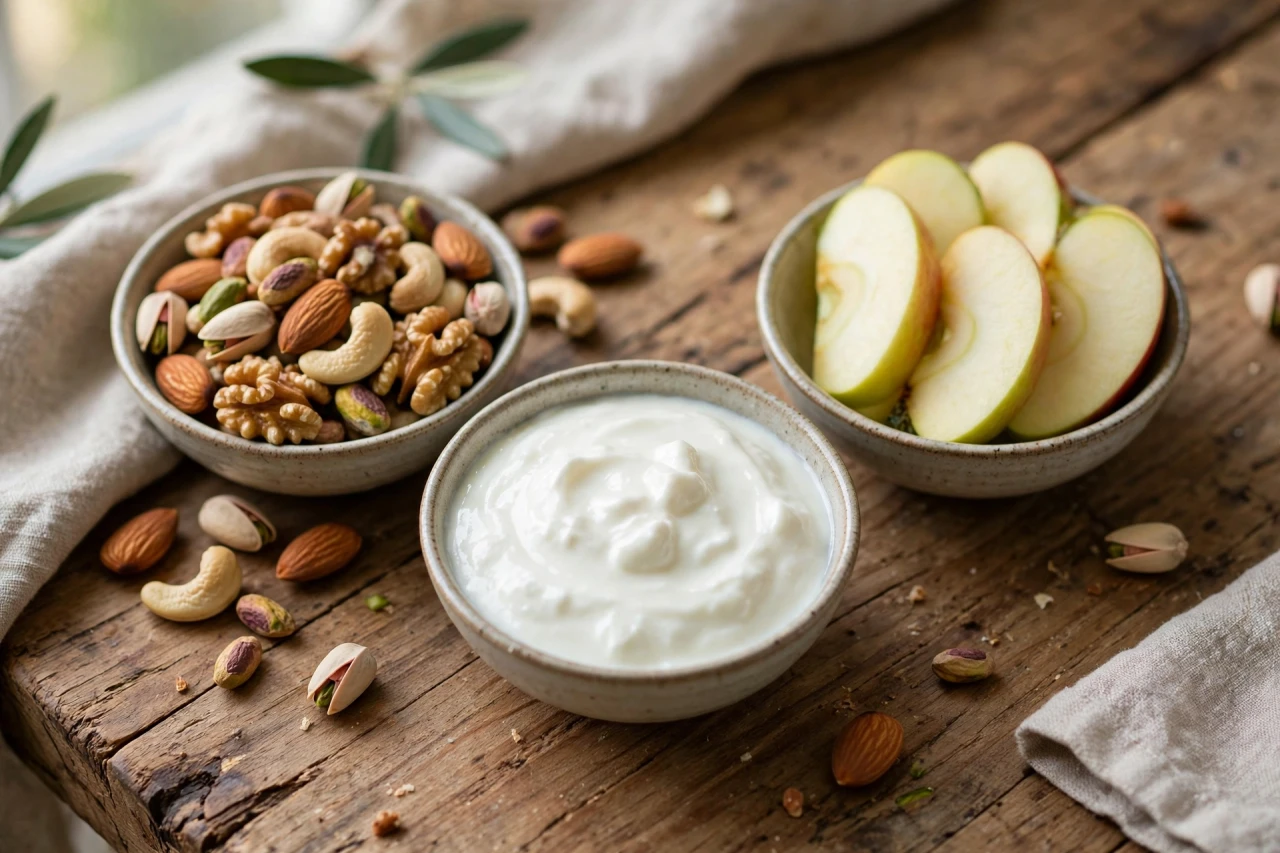
If you get hungry between meals, snack strategically rather than white-knuckling through it. The best snacks pair protein or fat with fiber:
- Apple slices with peanut butter
- A small handful of nuts with a piece of fruit
- Greek yogurt with berries
- Hummus with vegetable sticks or whole-grain crackers
- Hard-boiled eggs
- Cottage cheese with cherry tomatoes
Notice the pattern: each snack has staying power. A bag of chips or a candy bar, by contrast, is mostly fast carbs — a brief lift followed by another dip.
6. Timing and Habits That Steady Energy
What you eat matters most, but when and how you eat help too:
- Take a short walk after meals. Light activity after eating — even 10–15 minutes — helps muscles take up glucose and is linked with gentler post-meal blood-sugar rises. It's one of the simplest high-value habits there is.
- Eat at roughly regular times. Consistent meal timing helps regulate hunger hormones and prevents the extreme hunger that drives poor choices.
- Prioritize sleep. Poor sleep is linked with worse blood-sugar regulation and stronger cravings for sugary foods the next day — the afternoon crash often starts the night before.
- Manage the caffeine curve. Coffee can mask fatigue but doesn't fix its cause; heavy late-day caffeine can also disrupt the sleep that tomorrow's energy depends on.
- Stay hydrated. Even mild dehydration can feel like fatigue. Water with meals is a fine default.
7. Drinks Matter More Than You Think
Liquid sugar is the fastest route to a blood-sugar spike because there's nothing to slow it down — no fiber, no chewing, no fullness signal. Regular soda, sweetened iced tea, energy drinks, fancy coffee drinks, and fruit juice can each deliver 30–50+ grams of sugar in minutes. Swapping even one sugary drink a day for water, sparkling water, or unsweetened tea is among the highest-impact single changes you can make for steadier energy.
Alcohol deserves a mention too: it can disrupt sleep quality and, depending on the drink, add significant sugar — both of which undermine next-day energy. Nobody needs perfection here; just be aware that drinks are an easy place for hidden sugar to sneak in.

Protein- and fiber-rich snacks between meals help avoid the afternoon energy crash.
Stable Energy: Myths vs Facts
- Myth: Carbs are the enemy of stable energy — cut them all out.
Fact: Your brain and muscles need glucose. The goal isn't zero carbs; it's slower carbs — whole grains, legumes, and fruit instead of refined sugar and white flour. Very-low-carb diets are a medical decision, not a casual energy hack. - Myth: Fruit spikes blood sugar dangerously and should be limited.
Fact: Whole fruit comes packaged with fiber and water, which moderate its effect. Large reviews link fruit consumption with good health outcomes. Juice is the problem, not the fruit itself. - Myth: Skipping breakfast saves calories and boosts energy.
Fact: For many people, skipping meals leads to overeating later and bigger blood-sugar swings. Regular, balanced meals tend to produce steadier energy than heroic fasting followed by a feast. - Myth: Energy drinks are a fine way to power through the afternoon.
Fact: They deliver a large, fast sugar (and caffeine) hit — the textbook spike-and-crash. They mask fatigue without addressing its cause and add nothing nutritionally. - Myth: Only people with diabetes need to think about blood sugar.
Fact: Everyone's blood sugar rises and falls with meals, and steadier patterns are linked with better daily energy, satiety, and concentration for people with and without diabetes alike.
When to See a Doctor
Everyday energy dips after sugary meals are normal — but some patterns warrant professional evaluation:
- Frequent excessive thirst, frequent urination, or unexplained fatigue — possible signs of high blood sugar that deserve checking.
- Shakiness, sweating, confusion, or faintness that improves after eating — possible signs of low blood sugar episodes.
- Unexplained weight loss, slow-healing wounds, or recurrent infections.
- If you have prediabetes, diabetes, or a family history of it, discuss meal strategies with your doctor or a registered dietitian rather than self-managing from internet articles.
Blood-sugar-friendly eating supports general wellness, but it is not a substitute for diabetes screening, diagnosis, or treatment.
Sponsored: check today's offers on recommended wellness products
Frequently Asked Questions
What is the single best change for steadier energy?
If you pick one: rebuild breakfast around protein and fiber instead of sugar and refined carbs. Morning sets the day's pattern — a steady start means fewer cravings and crashes later. Oatmeal with nuts and berries, eggs with vegetables, or Greek yogurt with fruit are all strong options.
Does the order I eat foods in really matter?
Small studies suggest eating vegetables and protein before starches in a meal may lead to a gentler blood-sugar rise than eating the starchy foods first. It's a modest effect and no substitute for overall meal composition — but since it costs nothing, there's no reason not to try it.
Are "low glycemic" packaged foods worth buying?
The glycemic index can be a useful concept, but packaged foods marketed as "low GI" are often still highly processed. A better rule: favor foods that look close to their natural state — intact grains, legumes, whole fruit, vegetables — over any packaged product's marketing claim.
How soon after eating should I walk?
Starting a gentle 10–15 minute walk within about 30 minutes after a meal is the commonly studied pattern, and it's linked with smoother post-meal blood-sugar responses. It doesn't need to be brisk — a comfortable stroll counts. Even standing and moving beats sitting still.
Can these strategies help if I have prediabetes?
The same principles — fiber-rich meals, balanced plates, regular activity, healthy weight — are the foundation of prediabetes lifestyle management recommended by health authorities like the CDC. But prediabetes needs proper medical follow-up: use these strategies alongside your clinician's plan, not instead of it.
Disclaimer: This article is for general information only and is not medical advice. Blood-sugar-friendly eating supports everyday wellness but does not diagnose, treat, or prevent diabetes or any medical condition. If you have diabetes, prediabetes, or symptoms such as excessive thirst, frequent urination, or unexplained fatigue, consult a qualified healthcare professional. Never use this article to diagnose or treat a medical condition.
What's your biggest energy saboteur — the sugary breakfast, the 3 p.m. slump, or the liquid-sugar trap? Tell us in the comments, and share this guide with someone who runs on coffee and crashes by afternoon.
- Get link
- X
- Other Apps
Comments
Post a Comment