Green beans are one of the most dependable vegetables in the kitchen. They are inexpensive, available all year, quick to cook, and they turn up in everything from weeknight stir-fries to holiday casseroles. Yet for all their familiarity, green beans are easy to underestimate. Many cooks treat them as a side dish afterthought, when in fact they bring colour, crunch, fibre, and a gentle, fresh flavour that can lift an ordinary meal.
In this guide, we look at what green beans offer as part of a balanced diet, how to choose and store them at their best, and the simple cooking methods that keep them crisp and tasty rather than soggy and dull. You will find practical tips for steaming, sautéing, roasting, and stir-frying, plus ideas for seasoning and serving that work for busy weeknights and special occasions alike. As with every food, green beans shine brightest as part of a varied diet rich in vegetables, fruits, whole grains, and lean proteins, rather than as a single miracle ingredient.
Fresh green beans, crisp and ready for the pan, the oven, or the steamer.
Key Takeaways
- Green beans are low in calories and provide fibre, vitamin C, vitamin K, folate, and manganese.
- Their fibre and water content may help meals feel more satisfying and support comfortable digestion.
- They cook in minutes and stay at their best when cooked briefly, so they keep their colour and crunch.
- Steaming, sautéing, roasting, and stir-frying are all simple methods that suit green beans well.
- Choose firm, bright-green pods, store them in the refrigerator, and wash them just before cooking.
1. What Are Green Beans?
Green beans, also known as string beans or snap beans, are the young, tender pods of the common bean plant, Phaseolus vulgaris. Unlike dried beans, which are grown for the seeds inside, green beans are picked while the pods are still soft and edible, before the seeds inside have fully matured. A good green bean should snap cleanly when bent, which is where the name "snap bean" comes from. The pods are usually slender and bright green, though you may also see yellow wax beans and purple beans, which are close relatives with a similar taste and texture.
Green beans have a long history in kitchens around the world. They appear in French cooking as haricots verts, the slim, delicate beans often served with butter and herbs. In many Asian cuisines, long beans and green beans are stir-fried with garlic, chilli, and soy sauce. In American cooking, the classic green bean casserole has been a holiday table staple for generations, while in Mediterranean kitchens, green beans are simmered with tomatoes, olive oil, and herbs. This wide culinary range shows just how adaptable green beans are: they can be the star of a simple side dish or a quiet supporting player that adds freshness to a stew, curry, or grain bowl.
There are two main growth habits. Bush beans grow on compact plants and produce pods over a short period, while pole beans climb supports and produce pods over a longer season. In the grocery store, the distinction matters little: what you want is a fresh, firm pod, whatever the variety. Frozen green beans are also a good option, as they are usually frozen soon after harvest and can be just as nutritious as fresh ones, with the added convenience of a longer shelf life.
2. The Nutritional Profile of Green Beans
Green beans are valued in a balanced diet largely because they deliver a lot of freshness and volume for very few calories. A serving of green beans is low in energy, which makes them an easy addition to meals without crowding out other foods. They are also a source of water, which contributes to the fluid content of a meal, although they should not replace drinking water.
Beyond that, green beans provide dietary fibre, which supports normal digestion and helps meals feel more satisfying. They are a source of vitamin C, which supports normal immune function and helps the body absorb iron from plant foods, and vitamin K, which is important for normal blood clotting and bone health. Green beans also supply folate, which is involved in cell growth and function, and manganese, a mineral that plays a role in normal metabolism and in protecting cells from oxidative stress. Smaller amounts of vitamin A, potassium, magnesium, and calcium round out the picture.
Like other vegetables, green beans contain a range of plant compounds, including flavonoids and carotenoids, which are part of what gives plant foods their colour and flavour. Researchers continue to study how diets rich in a variety of vegetables may support long-term health. General guidance from organisations such as the World Health Organization (WHO) and the NHS encourages eating a variety of vegetables every day, and green beans can be one convenient part of that pattern. No single vegetable can supply everything your body needs, which is why variety matters more than any one food.
3. Fibre, Digestion, and Feeling Full
One of green beans' most practical benefits is their fibre content. Fibre adds bulk to food, slows down eating, and supports regular bowel movements, which together may help digestion feel more comfortable. For people who find it hard to eat enough fibre, green beans are an easy win: they cook quickly, they pair with almost any main dish, and they add a satisfying bite to a plate without much effort.
Fibre may also help with fullness. A plate that includes a generous portion of green beans tends to feel more substantial than the same meal without them, which can make it easier to avoid reaching for extra snacks soon after eating. Pairing green beans with a protein-rich food, such as chicken, fish, tofu, or eggs, and a source of healthy fat, such as olive oil or nuts, can make a meal even more satisfying.
It is worth keeping expectations realistic. Green beans support digestion as part of a fibre-rich diet, but they are not a treatment for digestive conditions. If you are increasing your fibre intake, doing so gradually and drinking enough water is generally kinder to the gut than a sudden large jump. Persistent symptoms such as ongoing bloating, pain, or changes in bowel habits deserve medical attention rather than a dietary workaround.
4. Heart Health and Blood Sugar: What the Evidence Suggests
When people ask about green beans and heart health, the conversation usually turns to overall dietary patterns rather than any single food. Diets rich in vegetables, whole grains, legumes, and lean proteins are generally associated with better heart health, and green beans fit naturally into that pattern. They are naturally low in fat and sodium, they provide fibre and potassium, and they can replace saltier, more processed side dishes on the plate.
Green beans may also be a helpful choice for people who are mindful of blood sugar. Because they are low in calories and contain fibre rather than large amounts of starch, they have a relatively gentle effect on blood sugar compared with starchy sides such as potatoes, rice, or pasta. Swapping half a portion of a starchy side for green beans is a simple way to lighten a meal while keeping the plate full and colourful. That said, green beans are not a treatment for diabetes or heart disease, and anyone managing those conditions should follow their clinician's guidance rather than relying on any single food.
Health organisations such as the CDC and Mayo Clinic emphasise broader patterns for heart and metabolic health: eating plenty of vegetables and whole grains, limiting excess salt, saturated fat, and added sugars, staying physically active, not smoking, and following medical advice when blood pressure, cholesterol, or blood sugar needs attention. Green beans can be a pleasant, practical part of that pattern, served often and seasoned well.
Sautéed green beans with garlic make a quick, flavourful side dish.
5. Choosing and Storing Green Beans for Maximum Freshness
Fresh green beans should feel firm and snap cleanly when bent. Look for pods that are bright green, smooth, and free of brown spots, blemishes, or soft patches. The pods should feel crisp rather than limp or rubbery, and they should be roughly uniform in size so they cook evenly. Very large, bulging pods may have tough seeds inside and a less tender texture, while very thin pods cook fastest and are often the most delicate.
Storage makes a real difference. Keep unwashed green beans in the refrigerator, ideally in a perforated bag or a loosely closed bag in the crisper drawer, and use them within a few days for the best texture. Washing them only just before cooking helps prevent moisture from speeding up spoilage. If your beans have gone a little limp, a short soak in cold water may help perk them up, though beans that are slimy or smell off should be discarded.
Before cooking, wash the beans thoroughly under running water, then trim the stem ends. You do not need to trim the pointed tail ends, though many cooks do for neatness. Snapping or cutting the beans into shorter lengths is a matter of preference and depends on the dish: whole beans look elegant on a plate, while shorter pieces are easier to eat in stir-fries, salads, and casseroles. Frozen green beans need no preparation at all and can go straight from the freezer into the pan or pot.
6. Simple Ways to Cook Green Beans
Green beans reward brief cooking. Overcooking is the most common mistake, and it is what turns them grey, soft, and dull. Aim for tender-crisp: cooked through but still with a pleasant bite and a bright green colour. Here are the simplest methods, each taking only a few minutes.
Steaming. Place trimmed beans in a steamer basket over boiling water, cover, and steam for about four to five minutes, until tender-crisp. Toss with a little olive oil or butter, salt, and lemon zest. Steaming is gentle, keeps the colour vivid, and needs no added fat beyond the finishing drizzle.
Sautéing. Heat olive oil in a large pan over medium-high heat, add the beans in a single layer, and cook for five to seven minutes, tossing occasionally, until lightly blistered in places. Add minced garlic in the last minute so it does not burn, then finish with a squeeze of lemon juice and a pinch of chilli flakes if you like heat.
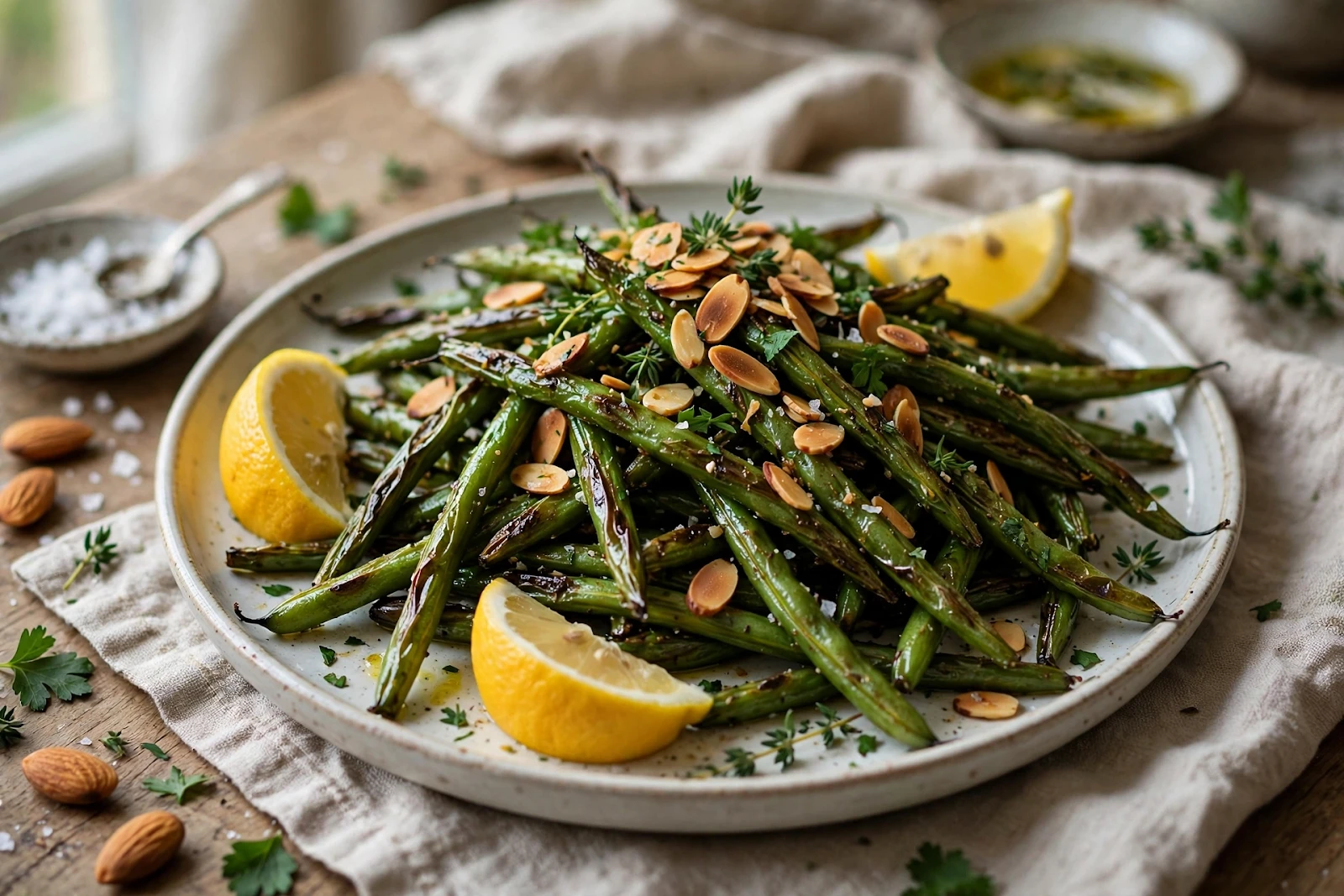
Roasting. Toss beans with olive oil and salt, spread them in a single layer on a baking tray, and roast in a hot oven until tender and lightly caramelised at the edges, usually around fifteen minutes. Roasting brings out a deeper, nuttier flavour and works beautifully with a scattering of toasted almonds or a grating of parmesan.
Stir-frying. Cut beans into shorter lengths and stir-fry over high heat with garlic, ginger, and a splash of soy sauce for a few minutes until just tender. This fast, hot method keeps the beans crisp and is ideal for weeknight meals with rice or noodles.
Blanching. Boil beans for two to three minutes, then plunge them into iced water to stop the cooking and lock in the bright colour. Blanched beans are perfect for salads, grain bowls, and make-ahead dishes, and they can be reheated briefly in a pan with butter or oil just before serving.
7. Green Beans in Everyday Meals
Green beans are easy to weave into meals you already cook. Add a handful to a vegetable soup or stew in the last ten minutes of cooking so they stay bright. Toss blanched beans into a pasta salad with cherry tomatoes, olives, and feta, or into a grain bowl with quinoa, roasted vegetables, and a lemon dressing. In a curry, green beans hold their shape well and soak up spiced sauces without going mushy.
They also make a fine main-dish partner. Serve sautéed green beans alongside grilled chicken or fish, roast them with other vegetables as a tray bake, or fold them into an omelette or frittata with herbs and cheese. For a holiday table, the classic green bean casserole, with mushrooms and a crisp topping, remains popular for good reason: it is comforting, it feeds a crowd, and it can be assembled ahead of time.
For packed lunches and picnics, blanched green beans travel well. Pack them with a small container of dip, such as hummus or a yoghurt-herb dip, for a crunchy snack, or add them to a salad that will not wilt by lunchtime. Because they are sturdy, green beans are also a good choice for meal prep: cook a batch at the start of the week and add portions to lunches and dinners over the next few days.
8. Seasoning Ideas and Flavour Pairings
Plain green beans with salt and olive oil are already good, but a few seasonings can make them memorable. Garlic and lemon are the classic pair, bright and simple. Toasted almonds, hazelnuts, or sesame seeds add crunch and richness. A crumble of feta or parmesan, a drizzle of balsamic glaze, or a spoonful of pesto can turn a simple side into something that feels special.
For bolder flavours, try chilli and garlic with a splash of soy sauce, or cumin and smoked paprika for a warm, earthy note. Fresh herbs such as parsley, dill, mint, or basil, added at the end of cooking, keep their fragrance and colour. A little butter, used in moderation, gives a silky finish that suits roasted or steamed beans especially well.
The key is balance. Green beans have a mild, fresh flavour, so seasonings should complement rather than overwhelm them. Taste as you go, add salt gradually, and finish with an acid, such as lemon juice or vinegar, to brighten the dish. Once you find a combination you like, it becomes a reliable standby you can return to again and again.
Roasted green beans with almonds and lemon, ready to serve.
Myths vs Facts
Myth: Green beans are just water and have no real nutrition.
Fact: Green beans are mostly water, but they also provide fibre, vitamin C, vitamin K, folate, and manganese. Their nutritional value per serving is modest, which is exactly why they fit so well into a varied, vegetable-rich diet.
Myth: Canned or frozen green beans are unhealthy compared with fresh ones.
Fact: Frozen green beans are usually frozen soon after harvest and retain much of their nutrition, making them a convenient and healthy choice. Canned beans can also be nutritious, though it is wise to choose low-sodium varieties and rinse them before use.
Myth: You must remove the strings from every green bean before cooking.
Fact: Most modern green bean varieties have been bred to be stringless, so trimming the stem ends is usually all the preparation needed. Older or very mature pods may still have a fibrous string, which can be pulled away if you notice it.
Myth: Green beans are only good in casserole.
Fact: Casserole is just one of many ways to enjoy green beans. They are excellent steamed, sautéed, roasted, stir-fried, grilled, and blanched into salads, and each method gives a different texture and flavour.
Myth: Eating green beans can cure or prevent disease on its own.
Fact: No single food can cure or prevent disease. Green beans can support a healthy eating pattern, but health outcomes depend on overall diet, physical activity, sleep, and medical care, not on any one vegetable.
When to See a Doctor
Green beans are safe for most people as part of a normal diet, but a few situations call for medical advice. If you experience symptoms of an allergic reaction after eating green beans, such as swelling of the lips or tongue, difficulty breathing, hives, or severe stomach upset, seek urgent medical care. Legume allergy is uncommon for green beans specifically, but it can occur, and cross-reactions with other legumes are possible in some people.
Also talk with a healthcare professional if you have persistent digestive symptoms, unexplained weight changes, or a condition that requires you to limit vitamin K, since dietary advice in those cases needs to be personalised. People taking blood-thinning medication or managing kidney disease, diabetes, or high blood pressure should follow their clinician's guidance on diet rather than relying on general food articles. This guide offers general information only and is not a substitute for personal medical advice.
Sponsored: check today's offers on recommended wellness products
Frequently Asked Questions
Are green beans good for you?
Yes, green beans can be a healthy part of a balanced diet. They are low in calories and provide fibre, vitamin C, vitamin K, folate, and manganese. Their benefits are best understood as part of a varied diet rich in vegetables, rather than from green beans alone.
How long should I cook green beans?
Most methods take only a few minutes. Steam for about four to five minutes, sauté for five to seven minutes, or roast for around fifteen minutes in a hot oven. Aim for tender-crisp beans that are still bright green, and avoid long boiling, which can make them soft and dull.
Can I eat green beans raw?
Raw green beans are edible, but most people prefer them cooked, as cooking improves their texture and flavour and makes them easier to digest. If you enjoy them raw, choose young, tender pods, wash them well, and cut them into small pieces for salads or snacking.
Are frozen green beans as healthy as fresh ones?
Generally, yes. Frozen green beans are usually frozen soon after harvest, which helps preserve their nutrients. They are a convenient, affordable option that cooks straight from frozen and works well in most recipes.
How do I keep green beans crisp after cooking?
Cook them briefly and avoid overcooking. Blanching followed by a plunge into iced water locks in colour and crunch for salads and make-ahead dishes, while roasting or sautéing in a single layer, without crowding the pan, helps them stay firm rather than steaming soft.
Now it is your turn: how do you like to cook green beans? Do you favour a quick garlic sauté, a tray of roasted beans with almonds, or a classic casserole? Share your favourite green bean recipe, seasoning, or serving idea in the comments below — your tip might inspire another reader to give this dependable vegetable a fresh try.
Disclaimer: This article provides general health information only and is not medical advice. It is not intended to diagnose, treat, cure, or prevent any disease. Always consult a qualified healthcare professional about your health, diet, or any medical condition, especially before making significant dietary changes or starting supplements.




Comments
Post a Comment