Growing older is not a decline to be endured — it is a stage of life that can be active, independent, and deeply satisfying. Research on longevity consistently shows that how we live matters as much as how long we live: people who stay physically active, eat well, keep their minds engaged, and maintain strong social ties tend to stay healthier and more independent well into their later years. Genetics plays a role, but everyday habits play a bigger one.
The good news is that it is never too late to start. Studies suggest that even adults who adopt healthier habits in their 60s and 70s can see meaningful benefits — better balance, stronger bones, sharper thinking, and more energy. Here are ten practical, evidence-based tips for healthy aging after 60, each supported by guidance from trusted health organizations such as the WHO, the CDC, and Harvard Health.
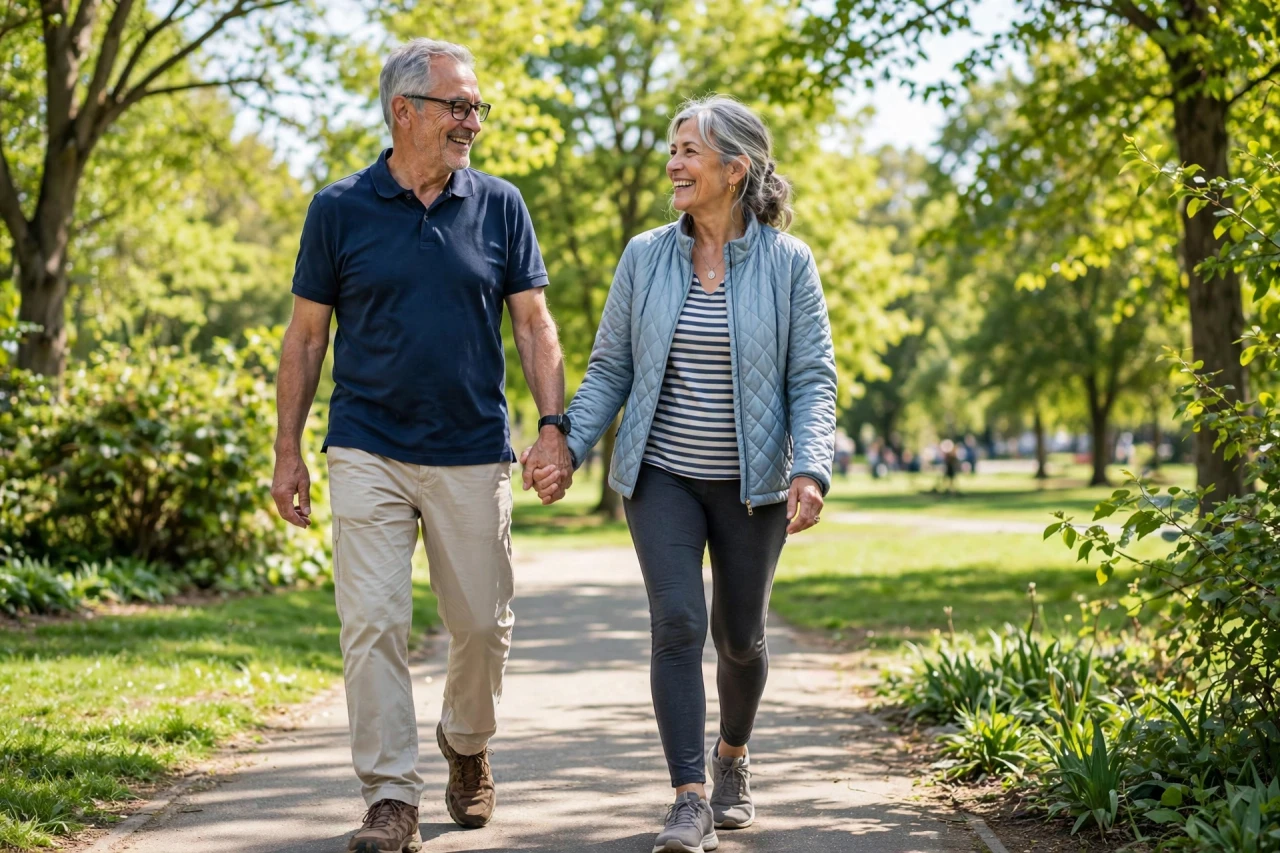
Regular walking is one of the simplest and most effective habits for healthy aging.
Key Takeaways
- Regular physical activity — including strength, balance, and aerobic exercise — is the single most powerful habit for staying independent after 60.
- Adequate protein, calcium, vitamin D, and fiber support muscle, bones, and digestion in later life.
- Staying mentally active, sleeping well, and keeping strong social connections are linked to sharper thinking and better mood.
- Preventing falls, managing chronic conditions, and keeping up with checkups protect long-term independence.
- It is never too late to start: adopting healthier habits in your 60s or 70s can still bring meaningful benefits.
1. Move Every Day — Mix Aerobic, Strength, and Balance Exercise
Physical activity is the closest thing we have to a fountain of youth. The WHO recommends that adults aged 65 and older aim for at least 150 minutes of moderate-intensity aerobic activity per week — such as brisk walking — plus muscle-strengthening activities on two or more days. Regular movement helps preserve heart health, joint flexibility, blood sugar control, and mood, and it is linked to a lower risk of many age-related conditions.
As we age, strength and balance training become especially important. Muscle mass naturally declines with age, but resistance exercises — bodyweight squats, wall push-ups, light dumbbells, or resistance bands — can slow or even reverse that loss. Balance exercises such as standing on one foot, heel-to-toe walking, or tai chi reduce the risk of falls, which are one of the biggest threats to independence in older adults. Start gently, progress gradually, and check with your doctor before beginning a new exercise program if you have heart disease, joint problems, or other conditions.
2. Eat Enough Protein and Plenty of Plants
Appetite often shrinks with age, but nutritional needs do not — in fact, older adults generally need more protein per meal than younger adults to maintain muscle, because aging muscles respond less efficiently to protein. Nutrition experts often suggest that older adults aim for a protein source at each meal: eggs or yogurt at breakfast, beans, fish, or chicken at lunch and dinner.
Beyond protein, a diet rich in vegetables, fruits, whole grains, legumes, nuts, and healthy fats supplies fiber, vitamins, and minerals that support digestion, heart health, and the immune system. Two nutrients deserve special attention after 60: calcium and vitamin D, which work together to keep bones strong. Dairy products, fortified foods, leafy greens, and sensible sun exposure (with sun protection for longer outings) all help; many older adults also benefit from checking their vitamin D status with their doctor, especially in winter.
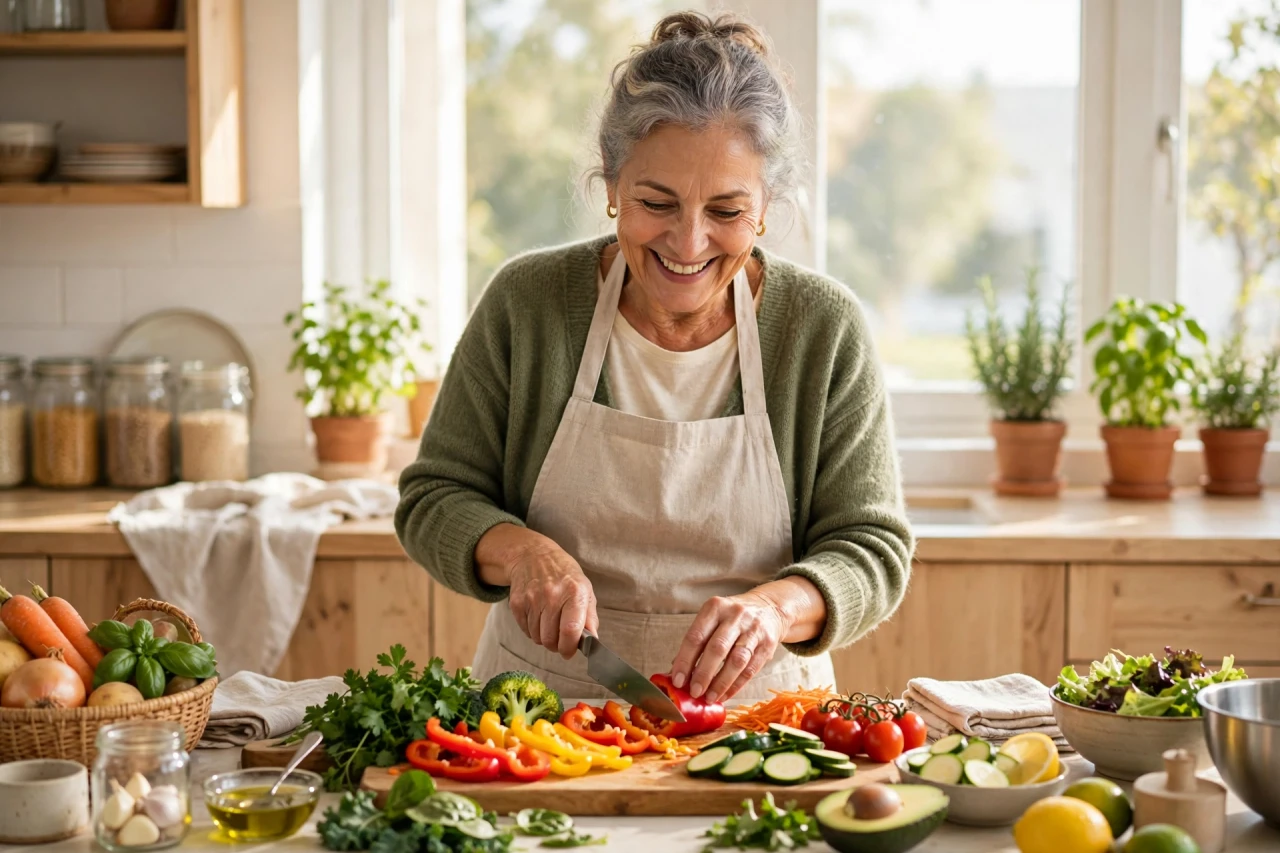
Cooking colorful whole-food meals at home helps older adults get the nutrients they need.
3. Keep Your Mind Active and Learning
The brain, like a muscle, benefits from regular use. Activities that challenge the mind — reading, learning a new skill, playing music, doing puzzles, studying a language — are associated with maintaining cognitive function as we age. Social interaction doubles as mental exercise: conversations, games with friends, and volunteer work engage memory, attention, and problem-solving all at once.
Mental health matters just as much. Loneliness and isolation are linked to depression, cognitive decline, and even higher mortality risk, according to research summarized by health organizations including the CDC. Staying socially connected — through friends, family, clubs, faith communities, or volunteering — is not a luxury; it is a health habit. If you feel persistently low, withdrawn, or uninterested in things you used to enjoy, talk to your doctor: depression in older adults is common and treatable, not a normal part of aging.
4. Prioritize Good Sleep
Sleep patterns often change with age — lighter sleep, earlier wake-ups — but most older adults still need about 7 to 8 hours per night. Quality sleep supports memory, immune function, mood, and daytime energy. Daytime drowsiness, frequent nighttime waking, or loud snoring with pauses in breathing may signal a sleep disorder such as sleep apnea, which is worth discussing with a doctor rather than ignoring.
Simple sleep hygiene steps help: keep a consistent bedtime and wake time (even on weekends), get daylight exposure in the morning, limit caffeine after midday and alcohol in the evening, keep the bedroom cool, dark, and quiet, and avoid long daytime naps late in the day. Regular daytime exercise also promotes deeper sleep — just avoid vigorous workouts right before bed.
5. Manage Chronic Conditions — Don't Ignore Them
By age 60, many people live with at least one chronic condition, such as high blood pressure, high cholesterol, diabetes, or arthritis. These conditions are highly manageable — but only if they are monitored and treated. Take prescribed medications as directed, keep up with follow-up appointments, and know your numbers: blood pressure, blood sugar, and cholesterol.
Healthy habits and medication work best together. Regular activity, a balanced diet, weight management, limited alcohol, and not smoking improve the control of nearly every common chronic condition and may allow some people to reduce medication over time — always in consultation with their doctor, never by self-adjusting. Bring an up-to-date medication list to every appointment, and ask your pharmacist to review it once a year for interactions.
6. Protect Your Bones and Prevent Falls
Bone density declines with age, particularly after menopause, raising the risk of fractures. Weight-bearing exercise (walking, dancing, stair climbing) and resistance training stimulate bone maintenance, while adequate calcium and vitamin D — from food, sensible sunlight, or supplements as advised by a doctor — provide the raw materials. Bone density screening (DEXA scan) is recommended for many older adults; ask your doctor when it makes sense for you.
Falls are the leading cause of injury in older adults, and most are preventable. Practical steps: make your home fall-safe (good lighting, handrails on stairs, non-slip mats, clearing clutter and loose rugs), have your vision and hearing checked regularly, review medications that can cause dizziness, and practice balance exercises. If you have fallen once, tell your doctor — one fall increases the risk of another, and targeted exercises or physical therapy can help.
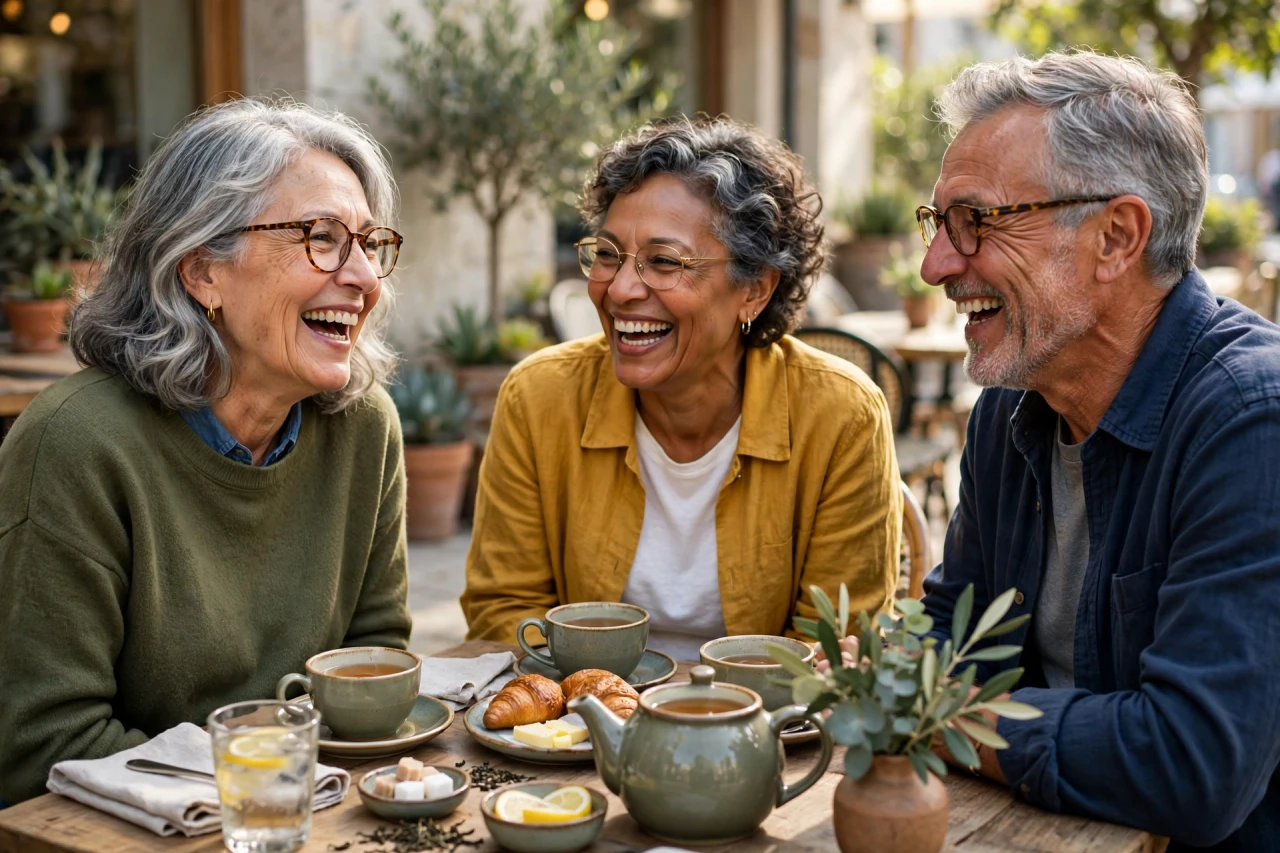
Staying socially connected is linked to better mood, sharper thinking, and longer life.
7. Stay Current with Health Screenings
Prevention catches problems when they are smallest and most treatable. After 60, recommended checkups often include blood pressure and cholesterol checks, diabetes screening, colorectal cancer screening, skin checks, eye exams (for cataracts, glaucoma, and macular degeneration), hearing tests, dental visits, and vaccinations — including seasonal flu, COVID boosters as advised, shingles, and pneumonia vaccines per your country's schedule.
Keep a simple health record: your conditions, medications, allergies, immunizations, and screening dates. Bring it to appointments. Many health systems now offer patient portals that make this easier. The goal is not anxiety — it is confidence that nothing important is slipping through the cracks.
8. Limit Alcohol and Don't Smoke
Older bodies process alcohol less efficiently, and alcohol interacts with many common medications while increasing fall risk and disrupting sleep. If you drink, less is better — and some people are safest avoiding it entirely, particularly those with liver disease, certain heart conditions, or medications that interact with alcohol. As for smoking: quitting at any age brings benefits, including better circulation, lung function, and reduced risk of heart disease and cancer. Free quit resources are available through national helplines and health services in many countries.
9. Nurture Your Social Life on Purpose
Retirement, relocation, and the loss of friends can shrink social circles — so connection needs to become intentional. Join a walking group, volunteer, take a class, attend community events, or schedule a regular meal with friends or family. Even brief daily interactions — chatting with a neighbor, calling a grandchild — add up.
Technology can help when distance separates you: video calls keep relationships alive across miles. But online contact works best as a supplement to, not a replacement for, in-person time when that is possible. If loneliness feels persistent and heavy, treat it like any other health concern and seek support — from community programs, counselors, or your doctor.
10. Keep a Positive, Purposeful Outlook
How we think about aging itself seems to matter. Research on attitudes toward aging has found that people who view aging positively tend to live longer and stay healthier than those who dread it — likely because a positive outlook encourages healthier behaviors. Having a sense of purpose — whether through family, hobbies, volunteering, faith, or creative work — is linked to better health outcomes in later life.
Set goals that excite you: a walking challenge, a garden to tend, a grandchild to teach, a new language, a trip to plan. Aging well is not about denying change; it is about adapting with curiosity and continuing to live fully. The habits above give your body and mind the best possible foundation for exactly that.
Healthy Aging Myths vs Facts
- Myth: Frailty and weakness are inevitable after 60.
Fact: Some decline is normal, but much of what we call "aging" is actually deconditioning — and strength training can rebuild muscle and function at any age.
- Myth: Older adults shouldn't exercise vigorously.
Fact: Many older adults can safely do vigorous activity once cleared by their doctor. The real risk for most is doing too little, not too much.
- Myth: Memory loss is a normal part of aging.
Fact: Mild slowdowns are common, but significant memory loss is not normal and should be evaluated by a doctor.
- Myth: It's too late to change habits after 60.
Fact: Research shows that adopting healthy habits later in life still brings meaningful benefits — from better blood pressure to sharper thinking.
When to See a Doctor
Healthy aging is about staying well — but professional care matters when:
- You experience unexplained weight loss, persistent fatigue, or new pain that doesn't improve.
- You have had a fall, feel unsteady, or notice worsening balance.
- Memory problems interfere with daily life, or loved ones express concern about your thinking.
- You feel persistently sad, hopeless, or withdrawn for two weeks or more.
- You have a chronic condition and your symptoms change, or you experience side effects from medication.
An annual wellness visit is a good anchor for reviewing all of these topics with your clinician.
Sponsored: check today's offers on recommended wellness products
Frequently Asked Questions
What is the single most important habit for healthy aging?
If you pick one, pick regular physical activity. Exercise supports muscles, bones, heart, brain, mood, and balance — and no pill replicates its broad benefits. Even daily walking makes a meaningful difference.
How much exercise do adults over 60 need?
The WHO suggests at least 150 minutes of moderate aerobic activity per week, plus strength exercises on two or more days and balance training. Start where you are and build gradually; any movement is better than none.
Do older adults need more protein?
Generally yes — aging muscles need more protein per meal to maintain themselves. Including a protein source at each meal (eggs, fish, poultry, dairy, beans, or soy) is a practical approach most dietitians recommend.
Is it normal to sleep less as you get older?
Sleep often becomes lighter and more fragmented, but most older adults still need 7 to 8 hours. Persistent insomnia, loud snoring, or excessive daytime sleepiness deserve a doctor's evaluation rather than being accepted as inevitable.
Can loneliness really affect physical health?
Research links chronic loneliness and social isolation to higher risks of heart disease, depression, cognitive decline, and even earlier mortality — comparable in scale to some better-known risk factors. Staying connected is a genuine health habit.
Disclaimer: This article is for general information only and is not medical advice. Health needs vary with age, medical history, and medications. Before starting a new exercise program, changing your diet, or adjusting medications, consult a qualified healthcare professional.
Which of these healthy aging tips will you start with — a daily walk, more protein at breakfast, or calling an old friend? Tell us in the comments.


Comments
Post a Comment