Your feet do a remarkable job every single day: they carry your full body weight across thousands of steps, absorb the shock of walking on hard surfaces, and rarely ask for anything in return. Yet foot care is one of the most neglected parts of a personal health routine. Most people think about their feet only when something hurts — a blister, an aching arch, a cracked heel that snags on the sheets.
The good news is that healthy feet don't require expensive treatments or complicated rituals. Health sources including the NHS and the Mayo Clinic emphasize the same fundamentals: keep feet clean and dry, trim nails properly, wear shoes that fit, and pay attention to changes early. This article walks through eight simple, evidence-informed habits that protect your feet day after day — practical enough to start tonight.
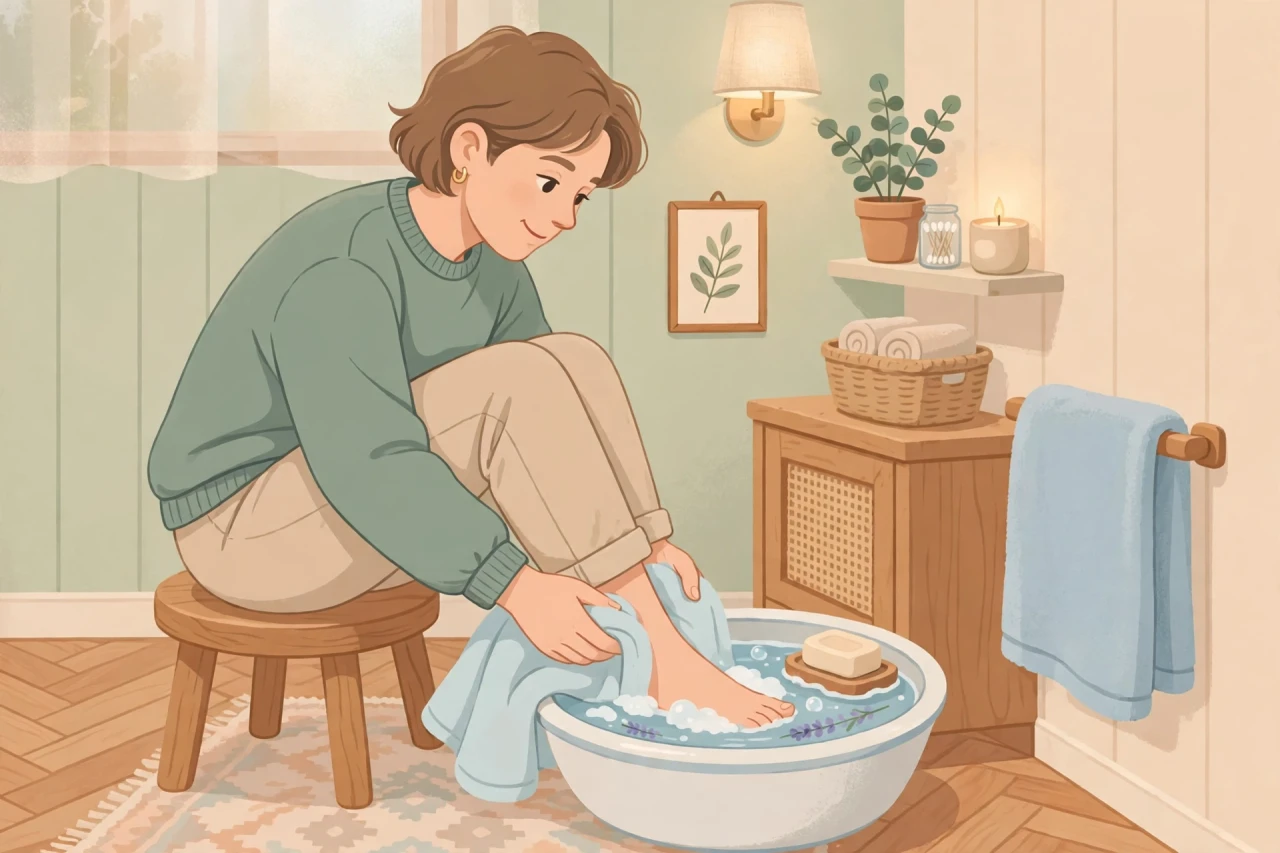
A daily wash-and-dry routine is the simplest foundation of healthy, comfortable feet.
Key Takeaways
- Washing and thoroughly drying your feet daily is the single most important habit for preventing odor, fungal infections, and skin breakdown.
- Trim toenails straight across — not curved — to lower the risk of painful ingrown toenails.
- Shoes that fit properly (with thumb's width of space at the toes) prevent blisters, calluses, and long-term foot pain.
- Keeping feet dry — changing socks and rotating shoes — helps prevent athlete's foot and other fungal problems.
- People with diabetes or poor circulation need extra foot caution and should involve a clinician in their routine.
1. Wash Your Feet Every Day — and Dry Them Completely
A daily foot wash is the foundation of everything else. Use warm water and mild soap, and make sure to clean between the toes, where sweat and moisture collect. The drying step matters just as much as the washing: fungal organisms like athlete's foot thrive in damp, warm environments, and feet that stay moist between the toes are an open invitation.
Dry thoroughly with a clean towel, patting gently between each toe rather than rubbing harshly. If your feet tend to sweat a lot, a light dusting of foot powder in the morning can help keep things dry through the day. This one habit alone prevents a large share of the odor, itching, and minor skin issues that bring people to the pharmacist's foot-care aisle.
2. Trim Toenails Straight Across
How you cut your nails matters more than how often. The recommended technique is simple: trim straight across with clean nail clippers, then gently smooth any sharp corners with an emery board. Don't cut nails too short or dig into the corners — that rounded or pointed cut is the classic setup for an ingrown toenail, which can be genuinely painful and prone to infection.
Cut nails after a shower or bath when they're softer and easier to trim cleanly. If you have thick nails, reduced feeling in your feet, or diabetes, take extra care — or have nails trimmed professionally. Never try to dig out an ingrown nail yourself with sharp tools; the risk of infection is real, and a clinician can resolve it safely.
3. Moisturize Your Feet — but Skip the Skin Between Your Toes
Foot skin is prone to dryness and cracking, especially on the heels, where deep cracks (fissures) can become painful or infected. Applying moisturizer to your feet at night — a plain foot cream or petroleum jelly — helps keep the skin supple. Many people find that putting on cotton socks after moisturizing improves absorption overnight.
The one exception: don't apply cream between your toes. That area already stays moist, and added moisture encourages fungal growth. Keep the between-toe spaces clean and dry, and reserve the moisturizer for the tops, soles, and heels.
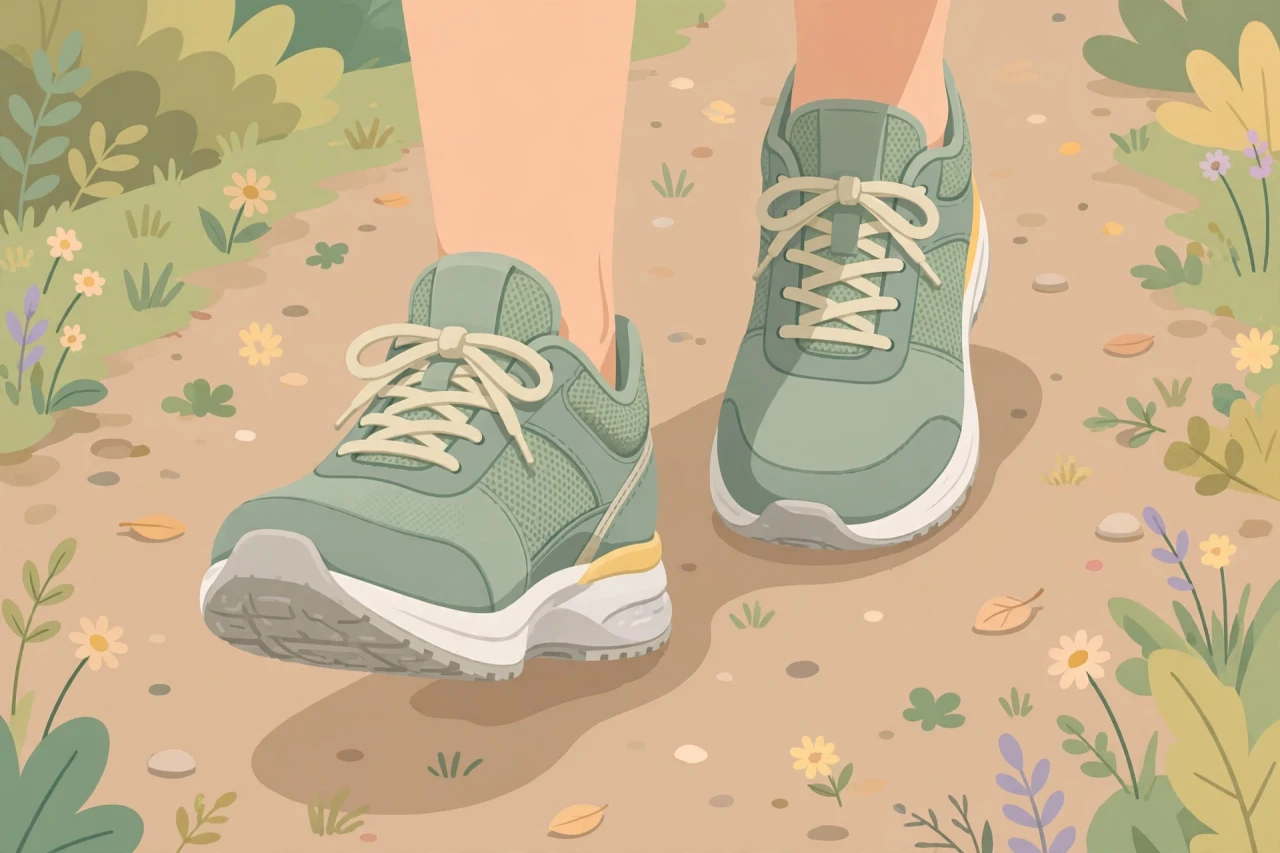
Shoes that fit well protect your feet far better than shoes that merely look good.
4. Wear Shoes That Actually Fit
Ill-fitting shoes are behind an enormous share of foot misery: blisters, calluses, corns, bunions that worsen, and aching arches. A well-fitting shoe leaves about a thumb's width (roughly 1 cm) between your longest toe and the front, feels snug but not tight across the ball of the foot, and holds the heel without slipping.
Shop for shoes in the afternoon or evening, when feet are at their largest, and try them on both feet — most people have one foot slightly bigger than the other. Replace athletic shoes regularly; worn-out cushioning stops protecting your feet long before the shoes look worn out. And when fashion shoes pinch, believe the pinch: shoes that hurt in the store won't magically become comfortable.
5. Change Socks Often and Keep Feet Dry
Socks are your feet's first line of defense against moisture and friction. Change them at least once a day — more often if you sweat heavily, exercise, or work in hot environments. Moisture-wicking athletic socks outperform plain cotton for keeping feet dry during activity.
Rotating your shoes matters too: wearing the same pair day after day never lets them dry out fully, which feeds both odor and fungal growth. Giving shoes a rest day between wears lets the insides air out. If your shoes are chronically damp, stuffing them with newspaper overnight absorbs moisture and helps them keep their shape.
6. Check Your Feet Regularly
A quick weekly self-check catches small problems before they grow. Look over the tops and soles, between the toes, and at the nails for redness, cracks, blisters, peeling skin, swelling, or changes in nail color and thickness. Catching a crack between the toes early lets you treat it with an over-the-counter antifungal before it becomes a bigger problem.
This habit is especially important for people with diabetes, who may not feel small injuries due to reduced sensation. If checking the soles is difficult, use a hand mirror, or ask someone to help. Early attention turns most foot issues from medical problems into minor fixes.
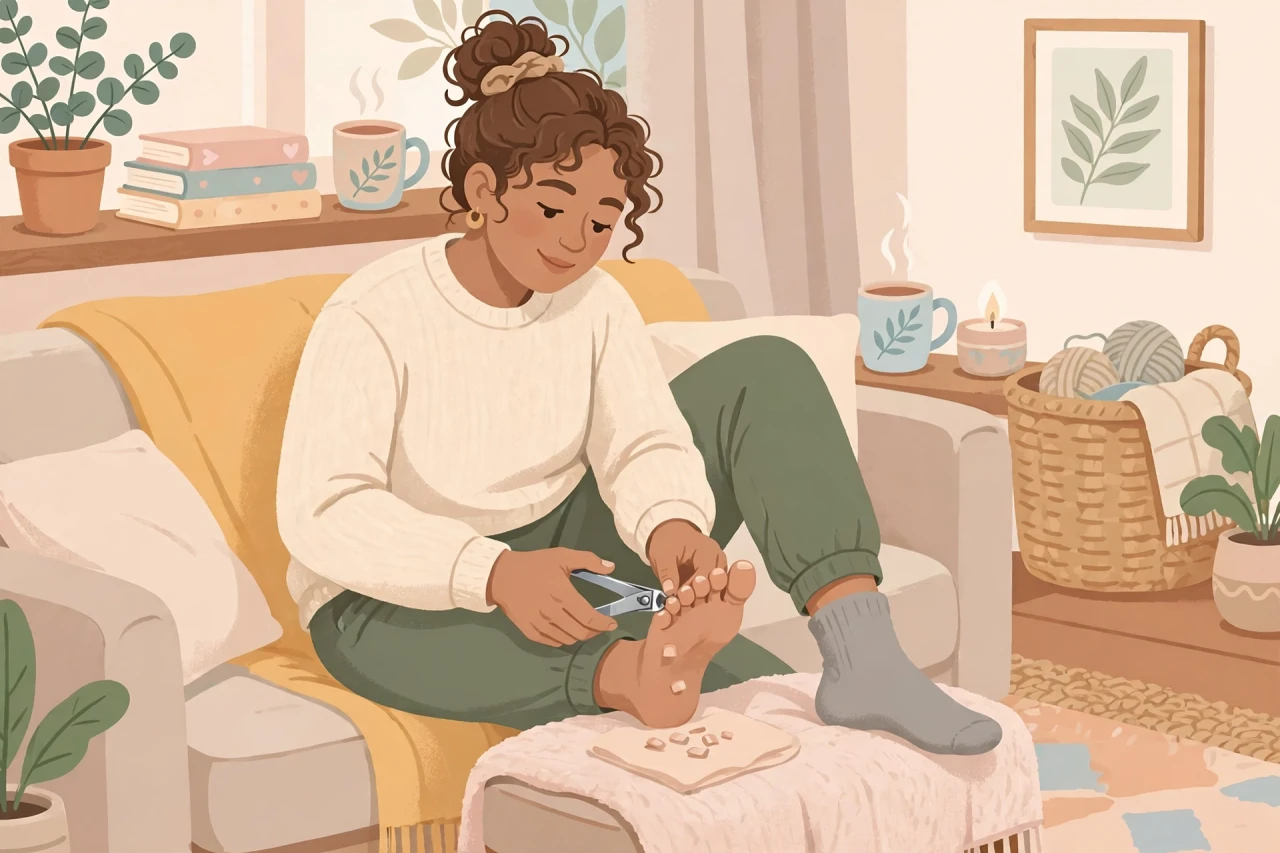
Trimming toenails straight across helps prevent painful ingrown nails.
7. Care for Calluses Gently
Calluses and corns are the skin's response to repeated pressure and friction — often a sign that shoes or walking patterns need adjustment. Gentle care works best: soak the foot in warm water to soften the skin, then use a pumice stone with light, even strokes. Never cut or shave calluses with blades or razors — that risks deep cuts and infection.
Over-the-counter corn pads with salicylic acid can help, but people with diabetes or poor circulation should avoid them unless a clinician approves, since they can damage healthy surrounding skin. If calluses keep coming back in the same spot, the real fix is usually footwear: something is rubbing, and the skin is telling you about it.
8. Don't Ignore Pain or Persistent Changes
Feet shouldn't hurt routinely. Occasional soreness after an unusually long day is normal, but persistent pain, swelling that doesn't settle, numbness, tingling, or a sore that won't heal are signals to get professional input — not to push through. Many foot problems are simple to treat when caught early and stubborn when ignored.
The same goes for skin and nail changes that don't respond to basic care: peeling that spreads, thickening or discolored nails, or repeated fungal infections. A podiatrist, pharmacist, or primary-care clinician can identify what's going on and recommend appropriate treatment. Think of it as maintenance for the parts of your body that do the most work.
Foot Care: Myths vs Facts
- Myth: Foot odor means poor hygiene and can't be fixed.
Fact: Foot odor usually comes from bacteria feeding on sweat, and it responds well to basics: daily washing and thorough drying, fresh socks, shoe rotation, and occasionally an antibacterial soap or foot powder. Persistent severe odor can have other causes worth discussing with a clinician.
- Myth: Cutting the corners of toenails prevents ingrown nails.
Fact: Cutting nails curved or short actually raises the risk of ingrown toenails. Straight-across trimming with smooth corners is the technique that podiatrists recommend.
- Myth: Barefoot walking toughens feet and is always healthier.
Fact: Brief barefoot time on safe surfaces is fine, but walking barefoot in locker rooms, pools, and gyms raises the risk of fungal infections and plantar warts — and people with diabetes should generally avoid going barefoot entirely.
- Myth: Calluses should be cut off to get rid of them.
Fact: Cutting calluses yourself risks infection and injury, and the callus usually returns if the pressure source isn't fixed. Gentle pumice care plus better-fitting shoes addresses both the symptom and the cause.
- Myth: Foot problems are just an unavoidable part of aging.
Fact: While feet do change with age, most foot pain and problems are treatable or preventable with good habits, proper footwear, and timely care. Persistent pain is a reason to seek help, not something to accept.
When to See a Doctor
Most foot care is simple self-care — but some situations call for professional help:
- Foot or ankle pain that is severe, sudden, or doesn't improve after a week or two of rest and better footwear.
- A sore, blister, or crack that doesn't heal, or any sign of infection (increasing redness, warmth, swelling, pus).
- An ingrown toenail that is painful, swollen, or draining — don't try to cut it out yourself.
- Numbness, tingling, or burning in the feet, which can signal nerve or circulation issues.
- If you have diabetes: any foot injury, ulcer, or change in skin color or temperature warrants prompt medical attention, since complications can develop quickly.
Sponsored: check today's offers on recommended wellness products
Frequently Asked Questions
How often should I wash my feet?
Daily — warm water and mild soap, including between the toes, followed by thorough drying. On days you exercise or sweat heavily, an extra wash helps keep odor and fungal problems at bay.
What socks are best for foot health?
Clean, dry socks that aren't too tight. Moisture-wicking materials help for exercise or heavy sweating; cotton is fine for everyday use if changed daily. Avoid socks that bind or leave deep marks around the ankles.
Is it okay to go barefoot at home?
On clean, dry floors at home, most people can go barefoot safely. In shared wet areas like pools, gyms, and locker rooms, wear flip-flops or shower shoes to reduce the risk of athlete's foot and warts. People with diabetes should generally keep feet covered.
How do I treat a blister?
Leave small blisters intact — the skin protects the healing underneath. Cover with a bandage or blister pad, and keep it clean. Don't pop blisters unless they're large and painful, and if you do, use a sterilized needle, keep the skin flap in place, and watch for signs of infection.
When should I replace my walking or running shoes?
For regular walkers, roughly every 6–12 months; for runners, many sources suggest every 500–800 km (300–500 miles). More important than the number: replace them when cushioning feels flat, the tread is worn, or you notice new aches after activity.
Disclaimer: This article is for general information only and is not medical advice. These foot-care habits are general wellness guidance, not treatment for any condition. If you have persistent foot pain, signs of infection, an unhealing sore, or diabetes-related foot concerns, consult a qualified healthcare professional or podiatrist.
Which of these foot habits will you start (or fix) first? Share your go-to foot-care tip in the comments — and pass this along to someone whose feet work as hard as yours do.


Comments
Post a Comment