A plant-based diet puts fruits, vegetables, whole grains, legumes, nuts, and seeds at the center of the plate, while animal foods play a smaller role or none at all. It is not a single rigid rulebook: some people eat fully vegan meals, others simply shift toward more plant foods while still eating meat occasionally. What matters most is the overall pattern — more plants, more fiber, and more variety — rather than a perfect label.
This guide explains what a plant-based diet actually looks like day to day, which foods give you protein, iron, and other key nutrients, how to shop and plan without stress, and the mistakes beginners often make. The goal is a way of eating you can enjoy and sustain, not a short-term challenge you abandon after two weeks.
A plant-based plate starts with variety — grains, legumes, vegetables, and healthy fats in one bowl.
Key Takeaways
- A plant-based diet centers on vegetables, fruits, whole grains, legumes, nuts, and seeds — it does not have to mean fully vegan.
- Protein is easy to cover with beans, lentils, tofu, tempeh, and whole grains eaten across the day.
- Vitamin B12 needs attention on a fully plant-based diet, since it is not reliably found in plant foods.
- Iron from plants is absorbed better when eaten with vitamin C-rich foods such as peppers, citrus, and broccoli.
- Start gradually — one or two plant-based days a week, then build from the meals you already enjoy.
1. What Does "Plant-Based" Actually Mean?
The term is often used loosely, which causes confusion. For most nutrition experts, "plant-based" describes a diet built mostly around plant foods, while "vegan" means avoiding all animal products, including dairy, eggs, and honey. A flexitarian pattern — mostly plants with occasional meat or fish — also counts as plant-based in the broad sense, and research on plant-rich eating patterns generally studies this spectrum rather than one strict version.
That flexibility is good news for beginners. You do not need to overhaul every meal at once or give up foods you love forever. A practical starting point is to make plants the main event at most meals — a grain bowl, a bean stew, a vegetable stir-fry — and treat animal foods as an optional side rather than the centerpiece. Health organizations such as the WHO and NHS encourage eating patterns rich in plant foods, fiber, and unsaturated fats as a general principle.
2. The Building Blocks of a Plant-Based Plate
A satisfying plant-based plate has four parts. First, a whole grain or starchy base: brown rice, quinoa, oats, wholemeal bread, or potatoes. Second, a protein-rich legume or soy food: lentils, chickpeas, black beans, tofu, or tempeh. Third, plenty of vegetables, ideally more than one color. Fourth, a source of healthy fat: olive oil, nuts, seeds, or avocado. Add herbs, spices, lemon, or a simple sauce, and the meal is complete.
This formula works because it combines fiber, protein, and fat — the trio that keeps you full. A bowl of quinoa, roasted sweet potato, chickpeas, spinach, and tahini dressing is a complete meal, not a side dish missing something. Once you learn a handful of meals built on this pattern, plant-based cooking stops feeling like a puzzle and becomes routine.
3. Where Does the Protein Come From?
Protein is the question every beginner asks, and the answer is reassuring: legumes, soy foods, whole grains, nuts, and seeds all supply protein, and eating a variety across the day covers the amino acids your body needs. Lentils provide around 18 grams of protein per cooked cup, tofu around 20 grams per cup, and even whole grains contribute — quinoa offers about 8 grams per cooked cup. Most adults meet their protein needs easily on a varied plant-based diet without counting grams.
That said, protein needs do vary with age, activity, and body size, and older adults and very active people may need to pay more attention to portions. A simple habit helps: include a clear protein source at each meal — beans at lunch, tofu at dinner, nut butter or soy yogurt at breakfast — rather than relying on vegetables and grains alone. If you are unsure about your needs, a dietitian can help you estimate them.
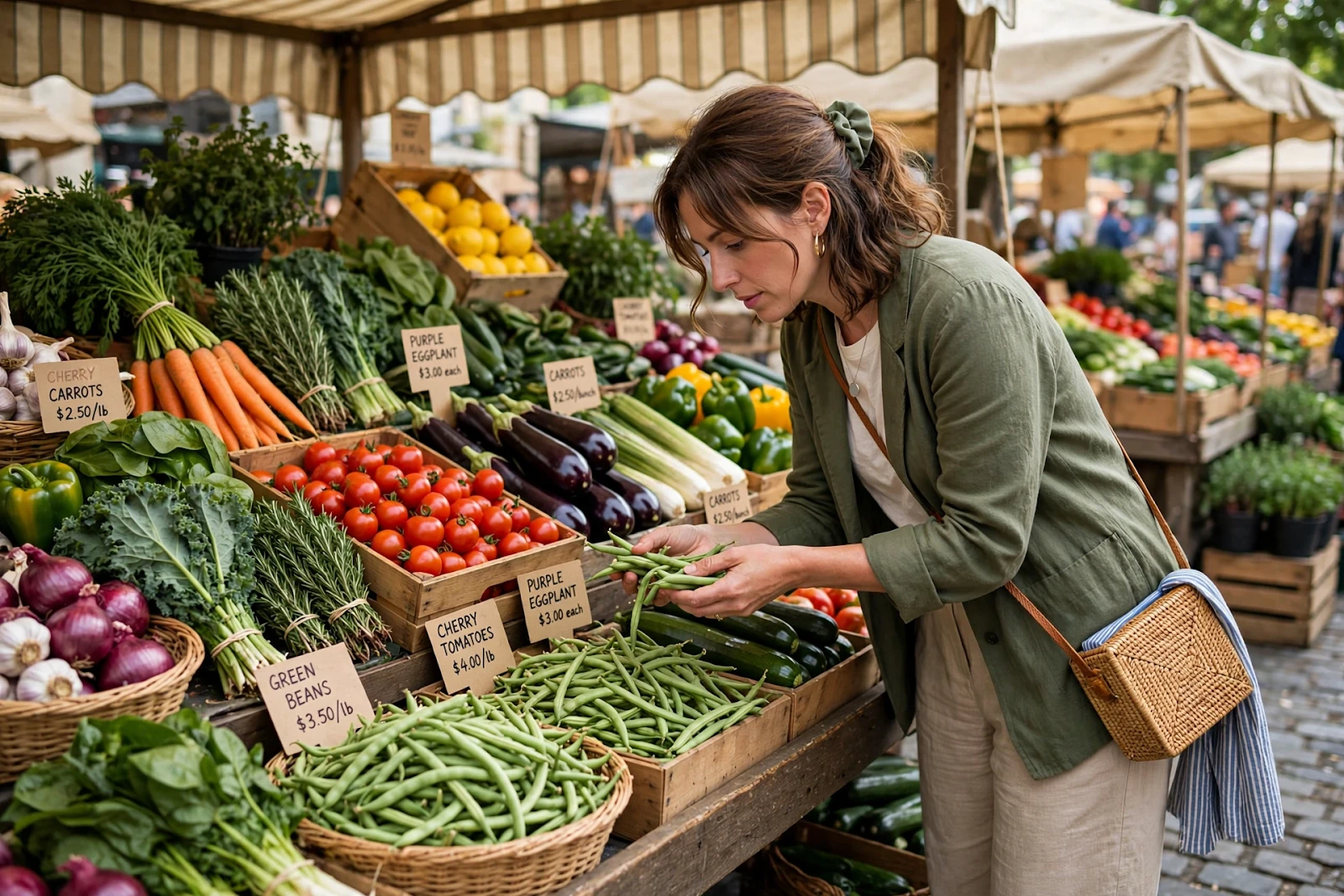
Stocking up on vegetables, beans, and whole grains makes plant-based meals easy all week.
4. Nutrients That Deserve Extra Attention
Most nutrients are straightforward on a plant-rich diet, but a few deserve planning. Vitamin B12 is the most important: it is made by bacteria and obtained reliably only from animal foods or fortified foods and supplements, so people eating fully plant-based should use a B12-fortified food or supplement and check their intake with a healthcare professional. Iron from plants is less readily absorbed than iron from meat, but pairing iron-rich foods like lentils and spinach with vitamin C-rich foods like bell peppers or citrus may help absorption.
Omega-3 fats are another point to watch: flaxseed, chia seeds, walnuts, and hemp seeds supply ALA, a plant omega-3, though the body converts only part of it to the longer-chain forms found in oily fish. Calcium is available from fortified plant milks, calcium-set tofu, tahini, and leafy greens like kale. Iodine, found in iodized salt and seaweed, is worth noting if you rarely eat seafood or dairy. None of this is a reason to avoid plant-based eating — it is simply a short checklist to cover, ideally with guidance from a dietitian when you first make the switch.
5. Shopping and Planning Without the Stress
Plant-based eating gets easier with a stocked pantry. Keep dried or canned lentils and beans, chickpeas, canned tomatoes, whole grains, oats, nuts, seeds, olive oil, soy sauce, and spices on hand, and you can build a meal in twenty minutes on any night. Fresh vegetables can be bought in smaller amounts twice a week to reduce waste, and frozen vegetables are just as nutritious and always ready.
A weekly plan removes the hardest part — deciding what to eat when you are already hungry. Choose three or four dinners you know well, repeat them across the month, and add one new recipe a week if you feel like experimenting. Batch cooking helps too: a large pot of lentil soup or bean chili on Sunday covers lunches for days. The plan does not need to be perfect; it needs to be easy enough that you actually follow it.
6. Common Beginner Mistakes to Avoid
The most common mistake is replacing meat with refined plant foods — white bread, fries, sugary cereals, and highly processed meat substitutes — and calling it plant-based. These foods are technically plant-derived, but they lack the fiber, nutrients, and satiety of whole plant foods, and eating patterns built on them are not associated with the same health benefits. The quality of the plants matters more than the label on the diet.
Another mistake is undereating. Plant foods are high in fiber and water and lower in calorie density, so portions may need to be larger than you expect, especially at first. If you feel hungry or tired, add more grains, beans, nuts, or healthy oils rather than assuming the diet "isn't working." Finally, avoid the all-or-nothing trap: a plant-based meal you enjoy three days a week beats a strict plan you abandon in a month. Progress, not perfection, is what builds lasting habits.
A simple weekly plan takes the guesswork out of plant-based eating — start with a few familiar meals.
Plant-Based Diet Myths vs Facts
- Myth: A plant-based diet always lacks protein.
Fact: Beans, lentils, tofu, tempeh, whole grains, nuts, and seeds supply ample protein when eaten in variety across the day.
- Myth: You must combine specific proteins at every meal.
Fact: Older advice about combining proteins at each meal is outdated. Eating varied protein sources across the day is enough for most people.
- Myth: Plant-based eating is always expensive.
Fact: Beans, lentils, oats, and seasonal vegetables are among the cheapest nutritious foods available. Costs rise mainly with specialty substitutes, which are optional.
- Myth: All plant-based foods are healthy.
Fact: Highly processed plant foods can be high in sugar, salt, and refined oils. Whole plant foods — vegetables, legumes, whole grains — are the foundation of a healthy pattern.
- Myth: You need meat to feel full.
Fact: Fiber and protein from beans, lentils, and whole grains are highly filling. Larger portions and healthy fats like nuts and olive oil help if you feel hungry at first.
When to Seek Advice
A plant-based diet suits most people, but seek advice from a healthcare professional or dietitian if you:
- Are pregnant, breastfeeding, or feeding young children on a plant-based diet, where nutrient needs are higher.
- Have a condition such as anemia, kidney disease, or a digestive disorder that affects nutrient absorption.
- Take medication that interacts with certain foods, such as vitamin K-rich greens or high-fiber meals.
- Feel persistently tired, lose weight unintentionally, or notice symptoms after changing your diet.
- Want to plan a fully vegan diet and are unsure about vitamin B12, iodine, or omega-3 intake.
Sponsored: check today's offers on recommended wellness products
Frequently Asked Questions
Is a plant-based diet the same as vegan?
Not exactly. Vegan means avoiding all animal products, while plant-based describes a pattern centered on plant foods that may still include small amounts of animal foods. Many people eat plant-based without being fully vegan.
How do I start a plant-based diet as a beginner?
Start with one or two plant-based days a week, learn a few meals you enjoy, and build from there. Swapping meat for beans or lentils in familiar dishes — chili, pasta sauce, stir-fry — is easier than learning entirely new recipes.
Do I need a vitamin B12 supplement?
If you eat fully plant-based, you should get B12 from fortified foods or a supplement, since plants do not reliably supply it. If you still eat dairy or eggs regularly, your needs may be partly covered — a healthcare professional can advise you.
Can children eat a plant-based diet?
Yes, with planning. Children need enough calories, protein, calcium, iron, and vitamin B12, so varied meals and, where needed, fortified foods matter. A pediatric dietitian can help tailor the pattern to a child's age.
Will I lose weight on a plant-based diet?
Many people do, because plant foods are high in fiber and lower in calorie density, but weight loss is not automatic. Portions, cooking methods, and overall food choices still matter, and the diet should be adopted for health, not as a quick fix.
Are you already eating more plant-based meals, or just getting started? Share your favorite plant-based dish in the comments.
Disclaimer: This article is for general information only and is not medical advice. It does not diagnose, treat, or cure any condition, and it is not a substitute for professional care. If you have a medical condition, are pregnant, or take medication, consult a qualified healthcare professional before making major dietary changes.




Comments
Post a Comment