Turmeric has gone from a humble curry spice to a full-blown wellness celebrity. Golden lattes, glowing supplement bottles, and bold health claims follow it everywhere — but how much of the hype does the science actually support? Turmeric's golden color comes from curcumin, a plant compound that has been studied extensively in laboratories and in some human trials, with results that are intriguing but far from conclusive.
This article looks at what research actually says about turmeric and curcumin: what curcumin is, what human studies suggest (and don't), why absorption is the central challenge, how to use turmeric wisely in the kitchen, and what to watch out for with high-dose supplements. No miracle claims — just an honest, evidence-based look.
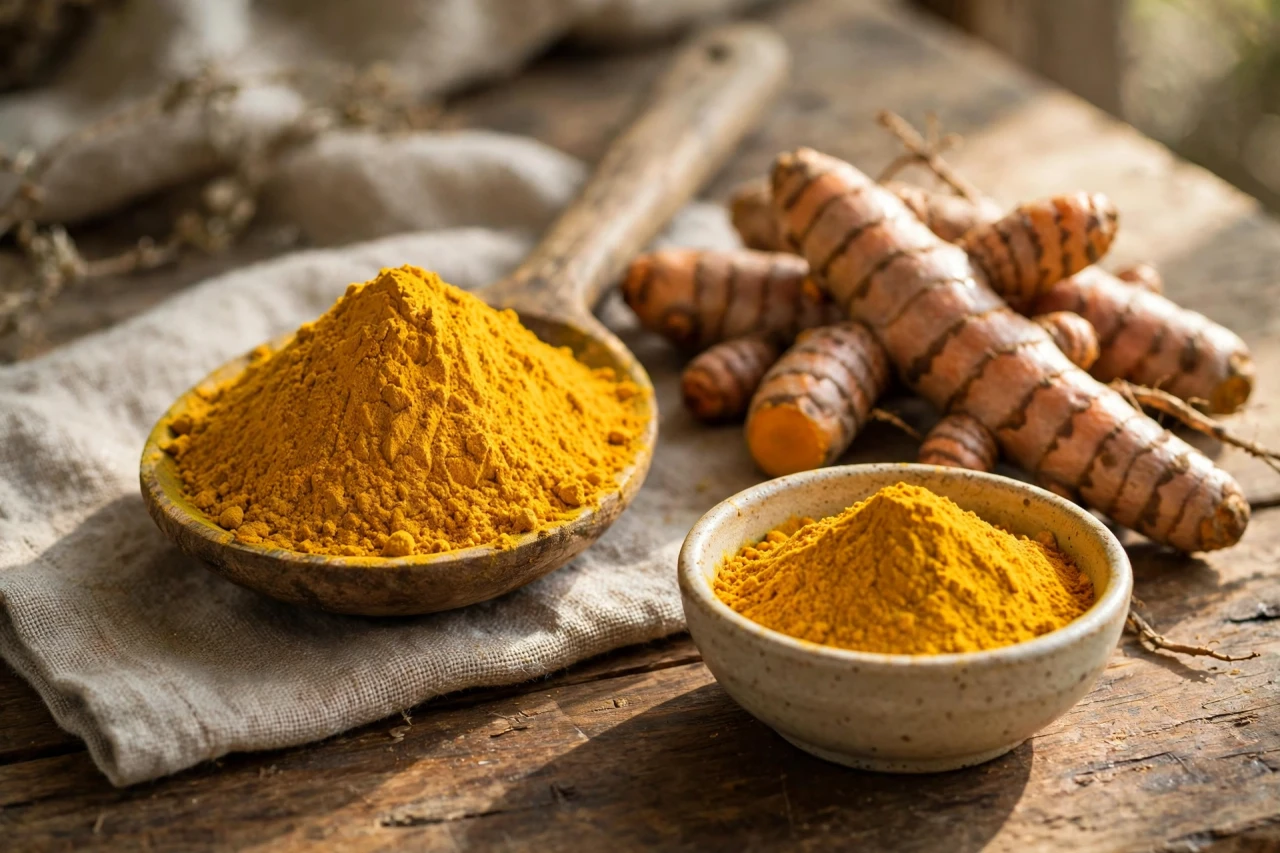
Turmeric is only about 2–3% curcumin by weight — far less than the doses used in most research.
Key Takeaways
- Curcumin is the main active compound in turmeric, studied for its antioxidant and anti-inflammatory properties in lab and animal research, with limited but growing human evidence.
- Human trials suggest possible benefits for joint comfort and some digestive symptoms, but results are mixed and the evidence is not strong enough to support disease claims.
- Turmeric is only about 2–3% curcumin by weight, and curcumin is poorly absorbed on its own — which is why research often uses concentrated extracts rather than culinary amounts.
- Pairing turmeric with black pepper (piperine) or healthy fats may improve absorption, a tradition reflected in classic recipes like golden milk.
- Turmeric as a food is generally considered safe, but high-dose supplements can interact with medications and are not appropriate for everyone — talk to your doctor first.
1. What Curcumin Is (and Isn't)
Turmeric is the dried, ground root of Curcuma longa, a plant in the ginger family used for centuries in Indian and Southeast Asian cooking and traditional medicine. Its active compounds, called curcuminoids, give it the vivid golden color — and curcumin is the most studied of them. Laboratory research shows curcumin has antioxidant activity and can influence inflammatory pathways in cells, which is the basis for most of the health interest.
Here's the important context: curcumin makes up only about 2–3% of turmeric by weight. The doses used in clinical trials are typically hundreds of milligrams of concentrated curcumin extract per day — an amount you'd struggle to get from curry alone. So "turmeric" the food and "curcumin" the research subject are related but not identical, and many popular claims blur that line.
2. What Human Research Suggests So Far
Curcumin is one of the most researched plant compounds in the world, but most studies have been small, short, or done in cells and animals rather than people. Here's where human evidence stands:
- Joint comfort. Several small clinical trials have found that curcumin extracts may help reduce joint discomfort in people with osteoarthritis, with effects sometimes comparable to certain common pain relievers in short studies. The evidence is promising but still limited by small sample sizes and short durations.
- Digestive symptoms. Some research suggests curcumin may ease certain digestive complaints, including symptoms of indigestion and ulcerative colitis in remission — though again, studies are small and more research is needed.
- General inflammation markers. A number of trials report that curcumin supplementation is associated with modest reductions in certain inflammatory markers in the blood. Whether that translates into meaningful health outcomes over time is still unclear.
- Metabolic health. Early research has explored curcumin's effects on blood sugar and cholesterol markers, with some positive signals — but these findings are preliminary and inconsistent across studies.
The honest summary from health authorities and review papers: curcumin is an interesting compound with real biological activity, but the evidence is not strong enough to recommend it as a treatment for any condition. Many enthusiastic claims online go well beyond what studies show.
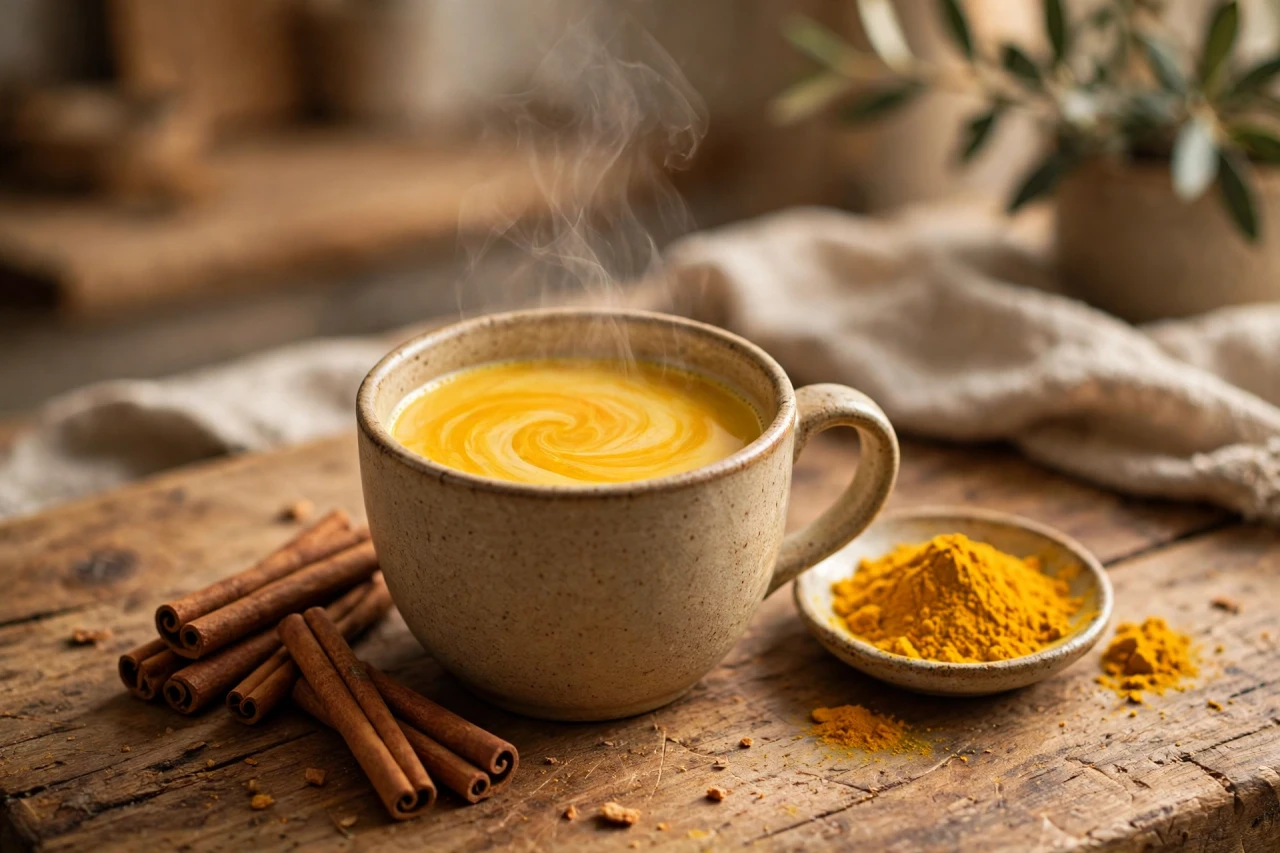
Golden milk and curries are the most common culinary ways people enjoy turmeric.
3. The Absorption Problem (and the Pepper Trick)
One of curcumin's biggest limitations is bioavailability — the body absorbs it poorly and clears it quickly. Eat plain turmeric and only a small fraction of the curcumin reaches your bloodstream. This is why researchers use special formulations, and why culinary turmeric behaves differently from supplement extracts.
Traditional cooking stumbled onto partial solutions long ago. Two things appear to help absorption:
- Black pepper. Pepper contains piperine, a compound that research suggests can significantly increase curcumin absorption — possibly by slowing how quickly the liver processes it. Even a small amount of black pepper in a turmeric dish may help.
- Healthy fats. Curcumin is fat-soluble, so cooking turmeric in oil or pairing it with fats (as in curries, golden milk with milk or coconut milk, or turmeric scrambled eggs) may improve uptake compared to water-based preparations.
Supplement makers often add piperine or use enhanced-delivery formulations for the same reason. But note: boosting absorption also means boosting potential interactions with medications — one more reason to check with your doctor before taking concentrated supplements.
4. Using Turmeric Wisely in the Kitchen
As a culinary spice, turmeric is a safe, flavorful, and affordable way to enjoy it. Practical ideas:
- Curries and stews. The classic home: turmeric bloomed in oil with other spices at the start of cooking, plus black pepper in the mix.
- Golden milk. Warm milk (dairy or plant-based) simmered with turmeric, a pinch of black pepper, cinnamon, and a little honey — a comforting evening drink.
- Roasted vegetables and rice. A teaspoon of turmeric in the oil for roasted cauliflower, potatoes, or a pot of rice adds color and earthy flavor.
- Smoothies and soups. A small amount blends into lentil soup or a mango smoothie without dominating the flavor.
- Start small. A teaspoon or two a day in cooking is plenty. Turmeric stains everything it touches — clothes, cutting boards, countertops — so handle it with that in mind.
Think of culinary turmeric as a healthy seasoning habit rather than a therapy. Enjoying it regularly in food is reasonable; expecting it to fix a health condition is not.
5. Supplement Cautions: What to Know Before You Buy
Turmeric and curcumin supplements are widely sold, often at doses far beyond culinary use. A few cautions from health authorities like the NIH and Mayo Clinic:
- Drug interactions. Curcumin may interact with blood thinners and diabetes medications, among others. Anyone on prescription medication should talk to their doctor or pharmacist first.
- Gallbladder and kidney concerns. People with gallbladder problems or a history of kidney stones should be cautious — turmeric can stimulate bile and contains oxalates.
- Pregnancy. Culinary amounts in food are generally considered fine, but concentrated supplements are not recommended during pregnancy without medical guidance.
- Quality varies. Supplements are not regulated as strictly as medicines, so products differ in actual curcumin content and purity. If you and your doctor decide to try one, choose reputable brands with third-party testing.
- Food first. For most healthy people, enjoying turmeric in food is the sensible approach — supplements add cost and risk without proven added benefit for general wellness.
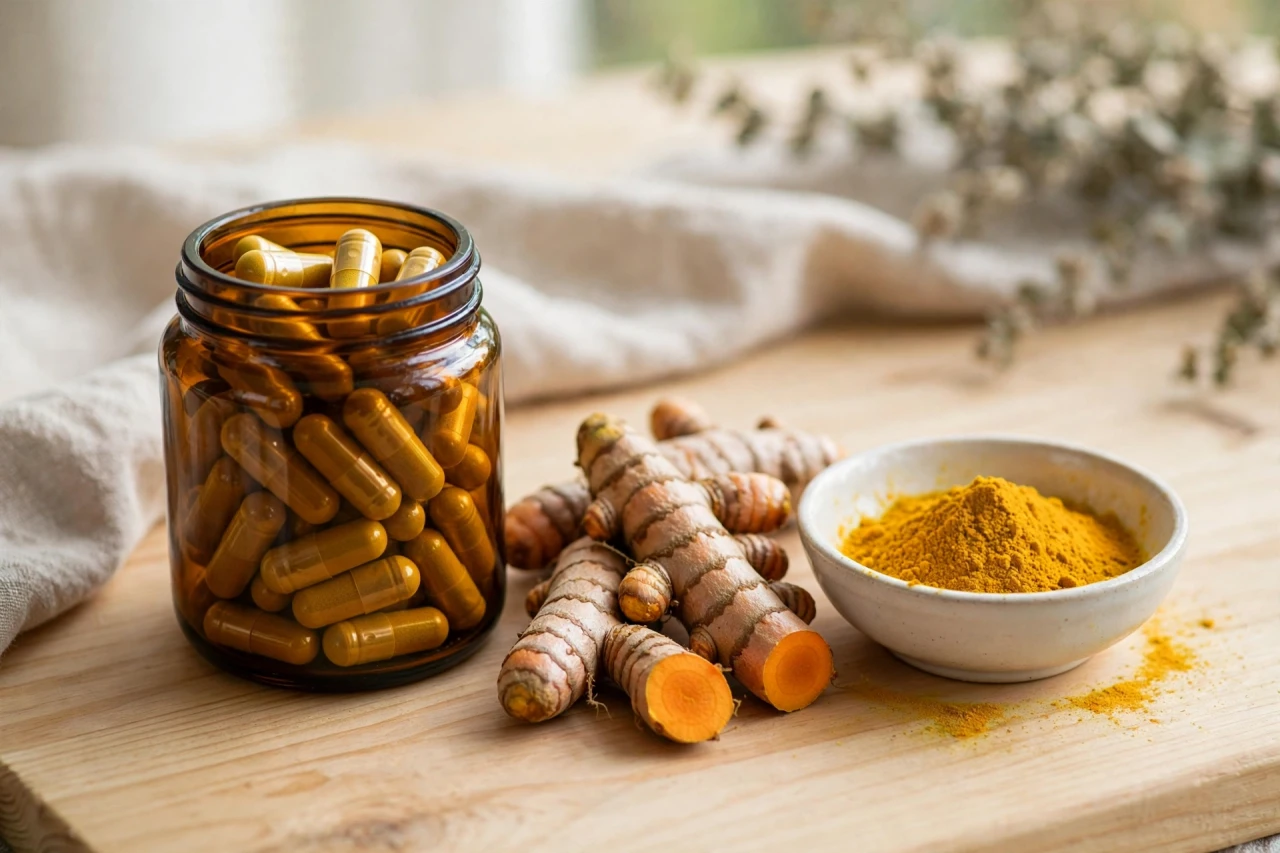
Food and supplements are different: researchers note curcumin is poorly absorbed on its own.
Turmeric: Myths vs Facts
- Myth: Eating turmeric gives you the same curcumin dose used in studies.
Fact: Turmeric is only about 2–3% curcumin, and studies use concentrated extracts at much higher doses. Culinary turmeric and research curcumin are not equivalent.
- Myth: Curcumin is proven to prevent or cure cancer, Alzheimer's, or arthritis.
Fact: Lab and animal studies show interesting biological activity, but human evidence does not support prevention or cure claims for any disease. Be skeptical of products that promise this.
- Myth: Turmeric lattes alone deliver meaningful health benefits.
Fact: A latte contains a small culinary amount of turmeric with poor absorption. It's a pleasant drink, not a therapeutic dose — and that's fine.
- Myth: Natural means completely safe at any dose.
Fact: Culinary turmeric is generally safe, but high-dose supplements can cause digestive upset and interact with medications. "Natural" doesn't mean risk-free.
- Myth: All turmeric supplements are basically the same.
Fact: Products vary widely in curcumin content, added ingredients, and quality control. Third-party testing and label transparency matter.
When to See a Doctor
Turmeric in food is fine for most people, but talk to a healthcare professional before using turmeric or curcumin supplements if you:
- Take blood thinners, diabetes medications, or any prescription drugs — interactions are possible.
- Have gallbladder disease, bile duct obstruction, or a history of kidney stones.
- Are pregnant, breastfeeding, or planning surgery soon.
- Experience digestive upset, nausea, or unusual symptoms after starting a supplement.
Sponsored: check today's offers on recommended wellness products
Frequently Asked Questions
How much turmeric should I use per day?
There is no official recommended dose for culinary turmeric. A teaspoon or two daily in cooking is a common, reasonable amount. For supplements, doses in studies typically range from several hundred milligrams of curcumin extract daily — discuss any supplement use with your doctor first.
Is fresh turmeric root better than powder?
Both contain curcuminoids. Fresh root has more water content, so gram-for-gram it contains less curcumin than dried powder, but it's flavorful and works well grated into cooking. Choose whichever you enjoy using — consistency matters more than the form.
Does black pepper really help turmeric absorption?
Research suggests piperine in black pepper can substantially increase curcumin absorption by slowing its breakdown in the liver. Adding a pinch of black pepper to turmeric dishes is a simple, traditional way to potentially get more from the spice.
Can turmeric replace my arthritis medication?
No. Some small studies suggest curcumin extracts may help joint comfort, but the evidence is limited and turmeric is not a substitute for prescribed treatment. Never stop or change medication without talking to your doctor.
Are there side effects of turmeric?
Culinary amounts are well tolerated by most people. High-dose supplements may cause stomach upset, nausea, or diarrhea in some people, and can interact with medications. People with gallbladder or kidney issues should be especially cautious with supplements.
Disclaimer: This article is for general information only and is not medical advice. Turmeric and curcumin supplements can interact with medications and are not appropriate for everyone. Consult a qualified healthcare professional before starting any supplement. Never use this article to diagnose or treat a medical condition.
Turmeric fan or turmeric skeptic — where do you land? Tell us your favorite way to use this golden spice in the comments, and share this article with someone who's curious about what the science really says.


Comments
Post a Comment