It's 9 p.m., you're not remotely hungry — you had a full dinner two hours ago — yet suddenly all you can think about is chocolate ice cream. You try to ignore it. You drink water. You scroll your phone. Ten minutes later, you're halfway through a tub, wondering why willpower always loses this particular fight.
Here's the reassuring truth: food cravings are a normal human experience, not a character flaw. They're driven by a mix of biology, habit, emotion, and environment — and understanding those drivers gives you far more power than white-knuckling ever will. This guide explains why cravings happen and shares practical, evidence-informed strategies to manage them without swearing off your favorite foods forever.
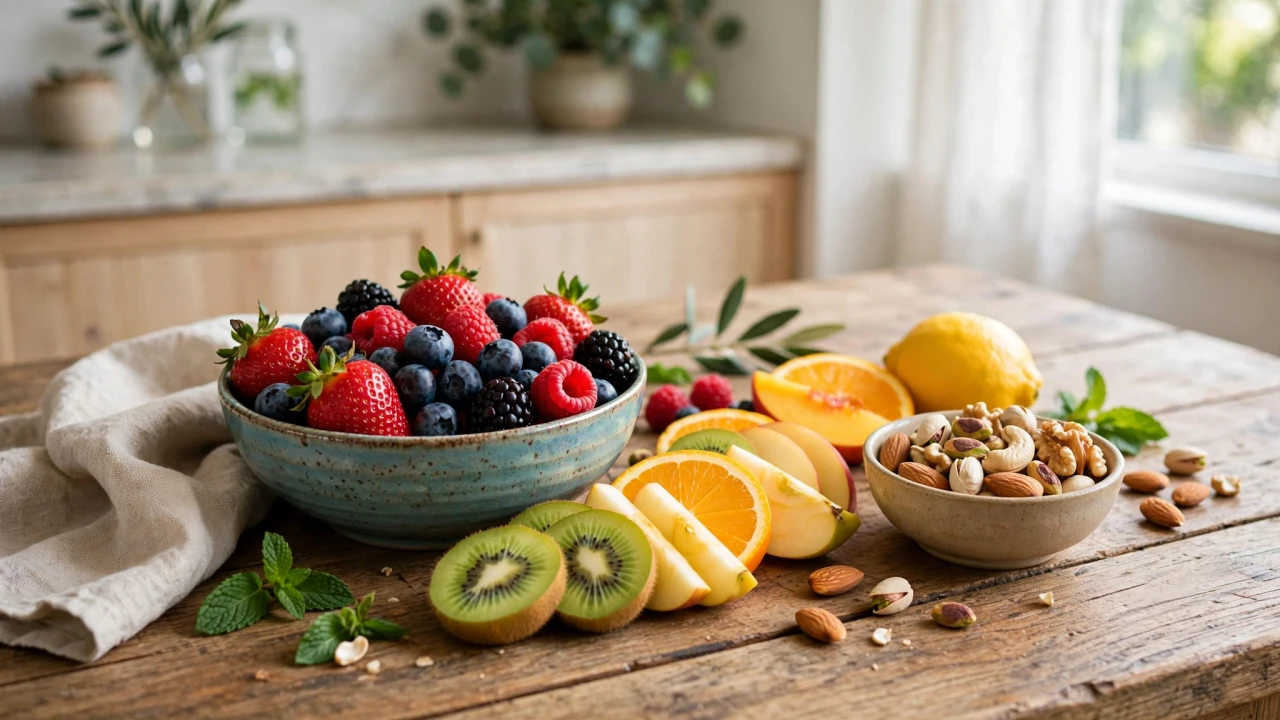
Keeping satisfying, nutrient-dense snacks nearby makes cravings easier to handle.
Key Takeaways
- Food cravings are intense, specific desires for particular foods — different from ordinary hunger — driven by hormones, habits, emotions, and cues.
- Common triggers include poor sleep, skipped meals, stress, boredom, and environmental cues like food ads or the sight of snacks.
- Strategies that may help: eating regular balanced meals, staying hydrated, pausing 10–15 minutes, managing stress and sleep, and keeping satisfying alternatives on hand.
- You don't have to eliminate craved foods entirely — planned, mindful portions often work better than strict bans.
- Frequent loss of control around food, or eating large amounts in secret, deserves a conversation with a healthcare professional — not shame.
Why Do Food Cravings Happen?
Cravings aren't random — they're your brain and body responding to signals. Understanding the main drivers makes them far less mysterious:
Hunger hormones. When your stomach is empty, it releases ghrelin, the "hunger hormone," which rises before meals and falls after you eat. Skipping meals or eating too little can spike ghrelin and make cravings — especially for quick-energy, high-calorie foods — much stronger. On the flip side, protein and fiber at meals support satiety hormones that help keep cravings quieter between meals.
Blood sugar swings. Meals heavy in refined carbohydrates with little protein, fat, or fiber can cause a rapid rise and fall in blood sugar. The dip afterward may feel like urgent hunger even when you've eaten enough — and the brain, sensing low fuel, specifically pushes you toward more fast carbs. Balanced meals with protein, fiber, and healthy fats tend to produce steadier energy and fewer rebound cravings.
Sleep deprivation. Short sleep is one of the most powerful craving triggers researchers have identified. Poor sleep appears to increase ghrelin while lowering leptin (a fullness-signaling hormone), and it also affects the brain's reward centers — making high-calorie foods look more appealing. If your cravings spike after late nights, sleep may be the lever that matters most.
Emotions and stress. Stress raises cortisol, which is associated with increased appetite and a preference for sugary, fatty "comfort" foods. Boredom, loneliness, and even celebration can all become linked to eating through repetition — the brain learns "this feeling = that food" and starts the craving before you consciously decide anything.
Environmental cues. Food advertising, the smell of a bakery, snacks visible on a counter, or simply the 3 p.m. vending-machine walk — external cues can trigger cravings through pure association, even in the absence of hunger. Modern food environments are engineered to create exactly these triggers.
8 Science-Backed Strategies to Manage Food Cravings
You can't always prevent a craving, but you can change how you respond to it. These approaches are supported by nutrition and behavioral research:
1. Eat Regular, Balanced Meals
The single most effective anti-craving habit is not skipping meals. Aim for meals that combine protein (eggs, fish, legumes, yogurt), fiber (vegetables, fruit, whole grains), and healthy fats (nuts, olive oil, avocado). This trio slows digestion and steadies blood sugar, which may significantly reduce the between-meal urges that derail good intentions.
2. Drink Water First
Mild dehydration can masquerade as hunger. When a craving hits, drink a full glass of water and wait 10–15 minutes — many people find the urge fades or softens noticeably. Herbal tea works too; the warmth and ritual of a cup can be genuinely satisfying, especially for evening sweet cravings.
3. Use the 15-Minute Pause
Cravings typically peak and then fade, often within 15–20 minutes, if you don't feed them immediately. When one strikes, set a timer and do something absorbing — take a walk, call a friend, tidy a drawer. If you still genuinely want the food after 15 minutes, you can have a portion mindfully. Often, the wave passes on its own.
4. Get Enough Sleep
Because poor sleep amplifies hunger hormones and reward-driven eating, protecting your sleep is a craving-management strategy in disguise. Aim for a consistent bedtime, dim screens in the last hour, and a cool, dark bedroom. Many people notice their snacking urges drop noticeably after just a few nights of better sleep.
5. Manage Stress Without Food
Since stress-driven eating is about soothing, not fuel, the fix is finding other soothers: a short walk, deep breathing, stretching, journaling, or calling someone you trust. Building even one or two non-food coping habits can weaken the stress → snack autopilot over time.
6. Keep Satisfying Alternatives Within Reach
Willpower is weakest when you're hungry and the only option is a vending machine. Stock your kitchen and bag with foods that genuinely satisfy you — fruit, nuts, yogurt, whole-grain crackers, dark chocolate squares — so the easy choice is also a reasonable one. You're not banning treats; you're making the default better.
7. Allow Planned Treats
Paradoxically, strict food bans often intensify cravings — forbidden foods become mentally louder. Research on dietary restraint suggests that rigid restriction can increase preoccupation with the restricted food. A planned, savored portion of something you love, eaten mindfully and without guilt, often satisfies more than a "forbidden" food eaten in secret.
8. Eat Mindfully
Slow down. Put the food on a plate, sit down, and actually taste it — texture, temperature, flavor. Mindful eating research suggests that paying full attention to food increases satisfaction and helps you notice fullness cues earlier, which may naturally reduce how much of a craved food you need to feel content.

Eating slowly and without distractions helps you notice fullness before a craving takes over.
Building a Craving-Resistant Daily Routine
Individual tactics work best inside a routine that removes common triggers. Consider these structural habits:
- Front-load protein at breakfast. A protein-rich morning meal (Greek yogurt, eggs, oatmeal with nuts) is associated with better appetite control later in the day than a sugary or skipped breakfast.
- Plan an afternoon snack. The 3–4 p.m. slump is prime craving time. A planned snack — apple with peanut butter, a handful of trail mix — can prevent the ravenous state where cravings run the show.
- De-cue your environment. Keep trigger foods out of sight (or out of the house), and keep fruit and prepped snacks visible instead. Out of sight genuinely helps: you can't crave what your brain doesn't notice.
- Separate screens from meals. Eating while scrolling or watching TV is linked to eating more and feeling less satisfied — a direct pipeline to post-meal cravings. Even one screen-free meal a day can help.
- End the kitchen day. Brushing your teeth after dinner sends a surprisingly effective "kitchen closed" signal. The minty mouth makes sweet snacks less appealing and marks a clear end to eating for the day.
Food Cravings Myths vs Facts
- Myth: Cravings mean your body is deficient in a nutrient.
Fact: Despite the popular idea that "craving chocolate means you need magnesium," most cravings are driven by habit, emotion, and environment — not specific deficiencies. True nutrient deficiencies are diagnosed by blood tests, not by snack urges.
- Myth: Strong willpower is all you need to beat cravings.
Fact: Cravings are rooted in hormones, brain reward circuits, and learned cues — willpower alone is a weak tool against them. Strategies like better sleep, regular meals, and de-cued environments work with your biology instead of against it.
- Myth: You must eliminate craved foods completely.
Fact: Total bans often backfire, making the food more preoccupying. Planned, mindful portions usually work better and are far easier to sustain.
- Myth: Cravings only happen when you're actually hungry.
Fact: Many cravings strike when you're full — triggered by stress, boredom, habit, or cues like ads and smells. Learning to distinguish true hunger from cue-driven desire is one of the most useful skills you can build.

A glass of water or herbal tea may quiet a craving that is really thirst in disguise.
When to See a Doctor
Occasional cravings are normal. But consider speaking with a healthcare professional when:
- You regularly feel unable to stop eating once you start, or eat large amounts in a short time while feeling out of control.
- You eat in secret, or feel intense shame, guilt, or distress about your eating patterns.
- Cravings or eating habits are affecting your weight, energy, blood sugar, or mental health in ways that worry you.
- You suspect an eating disorder — early professional support leads to better outcomes, and help is available without judgment.
There is no shame in asking for help with food. Dietitians, therapists, and physicians who specialize in eating behavior can offer practical, compassionate strategies.
Sponsored:
on recommended wellness products
Frequently Asked Questions
What's the difference between hunger and a craving?
Hunger builds gradually, can be satisfied by many different foods, and comes with physical signals like stomach growling. A craving arrives suddenly, targets one specific food (usually sweet, salty, or fatty), and is often triggered by emotion, habit, or cues rather than an empty stomach.
How long does a food craving usually last?
Most cravings peak within a few minutes and fade within 15–20 minutes if you don't act on them. The 15-minute pause — distracting yourself with an absorbing activity — works because it lets the wave pass on its own.
Does drinking water really help with cravings?
It may help, especially when mild thirst is masquerading as hunger. A full glass of water plus a 10–15 minute wait is a simple first step — if the craving persists, it's more likely genuine desire or habit, and you can decide mindfully how to respond.
Should I keep trigger foods out of the house?
For foods you consistently overeat, keeping them out of easy reach is a reasonable strategy — environment design beats willpower. But total bans on all treats can backfire; many people do best keeping their true favorites available in planned, portioned amounts while removing the "autopilot" snacks.
Can lack of sleep really cause cravings?
Yes — poor sleep is one of the strongest known craving amplifiers. It shifts hunger hormones toward more hunger and less fullness, and makes high-calorie foods more appealing to the brain's reward system. Improving sleep is often the highest-leverage craving strategy there is.
Disclaimer: This article is for general information only and is not medical advice. Food cravings are a normal experience, but persistent loss of control around food or signs of disordered eating deserve professional support. If you have concerns about your eating patterns, weight, or health conditions such as diabetes, please consult a qualified healthcare professional or registered dietitian.
Which craving strategy will you try first — the 15-minute pause, the planned afternoon snack, or the "kitchen closed" toothbrush trick? Tell us in the comments.


Comments
Post a Comment